Blogs
What is Direct Laryngoscopy? Procedure, Uses and What to Expect
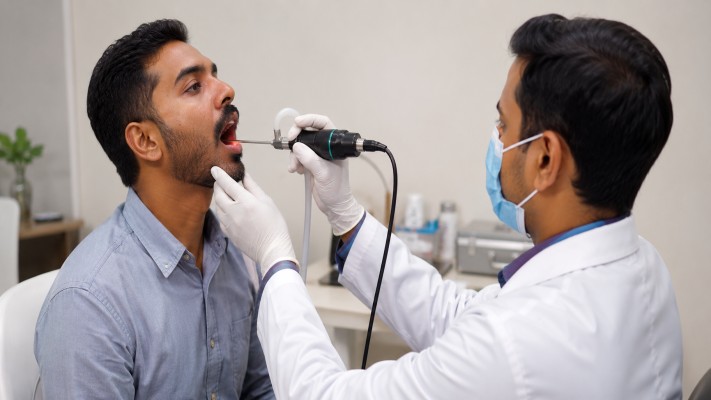
Direct laryngoscopy is a medical procedure that lets an ENT doctor look closely at your voice box and nearby throat structures. It uses a special viewing instrument so the doctor can see areas that are difficult to examine during a routine throat check.
The procedure is commonly used when symptoms such as persistent hoarseness, throat pain, swallowing difficulty or a suspected growth need a clearer diagnosis. It may also help doctors take a biopsy or remove certain small lesions from the vocal cords. This guide explains why direct laryngoscopy is advised, how the procedure is done and what you can expect before, during and after it.
If your doctor has recommended this test, it is normal to feel anxious. The aim of this article is to make the process easier to understand so you can discuss it confidently with your ENT specialist. At Ascent ENT Hospital, the best ENT hospital in Kerala, patients can consult experienced ENT doctors for voice, throat, airway, head and neck concerns.
When is Direct Laryngoscopy Recommended?
An ENT specialist may recommend direct laryngoscopy when a detailed view of the larynx, vocal cords or upper throat is needed. A routine throat examination can show surface changes, but deeper or smaller abnormalities may need a clearer view.
Common reasons include persistent hoarseness, voice fatigue, throat pain, noisy breathing, difficulty swallowing, coughing up blood or suspicion of a vocal cord lesion. It can also help evaluate unexplained lumps, injuries, airway narrowing or changes seen on imaging.
Direct laryngoscopy can also be useful when treatment and diagnosis happen together. For example, the doctor may remove a small benign lesion, take tissue for biopsy or assess the exact location of a growth before planning further care.
How Direct Laryngoscopy is Different From Other Throat Exams
Not every throat examination is the same. Your ENT doctor chooses the method based on your symptoms, comfort, age, medical history and the amount of detail needed.
| Type of examination | How it is usually done | What it is commonly used for |
|---|---|---|
| Direct laryngoscopy | A rigid viewing instrument is passed through the mouth, often under anaesthesia | Detailed examination, biopsy, removal of selected lesions and airway assessment |
| Flexible laryngoscopy | A thin flexible scope is passed through the nose after local numbing spray | Office-based examination of vocal cords and throat movement |
| Indirect laryngoscopy | A small mirror or angled tool is used to view the throat | Basic throat assessment in selected cases |
The main advantage of the direct method is that it gives the doctor a stable, close and magnified view. This is especially important when precision is needed for biopsy or minor surgical treatment.
How to Prepare for Direct Laryngoscopy
Preparation depends on whether the procedure is diagnostic or surgical. In many cases, it is performed under general anaesthesia, which means you sleep through the procedure and do not feel pain while it is being done.
Your doctor may ask you not to eat or drink for several hours before the procedure. You should also inform your medical team if you take blood thinners, have diabetes, have heart disease, have loose teeth, use dentures or have had previous anaesthesia problems.
Before the appointment, share details about allergies, current medicines, smoking history and any recent fever or chest infection. This helps your ENT and anaesthesia team plan the safest approach.
Patients with voice problems may also be asked about occupation and voice use. Singers, teachers, speakers and call-centre professionals often need detailed voice-related assessment, and a Laryngology and Phonosurgery Specialist can guide evaluation and treatment planning.
What Happens During the Procedure?
Before the procedure
You will be taken to a procedure or operation room depending on the plan. The team checks your identity, medical history, consent and fasting status. If general anaesthesia is used, an anaesthetist gives medicines through an IV line and monitors your breathing, heart rate and oxygen levels.
During Direct Laryngoscopy
During Direct Laryngoscopy, the ENT doctor gently places the instrument through the mouth to view the voice box and surrounding throat. The tongue is positioned carefully so the doctor can see the vocal cords and nearby structures clearly.
If needed, small instruments may be passed through the scope to take a biopsy, remove a small lesion or clear an obstruction. The time taken varies, but many diagnostic procedures are completed within a short period. Surgical steps or biopsy can make the procedure longer.
After the procedure
After direct laryngoscopy, you are moved to a recovery area until the effect of anaesthesia wears off. Nurses monitor your breathing, comfort and vital signs. You may feel sleepy for a while, so you should not drive yourself home after anaesthesia.
A mild sore throat, temporary hoarseness, dryness, mild swallowing discomfort or a small amount of blood-stained saliva can occur. These symptoms usually improve as the throat heals. Your doctor will tell you when you can eat, speak normally and restart medicines.
Recovery, Results and Aftercare
Recovery is usually straightforward, but it depends on what was done during the procedure. A simple examination may need only a short observation period. If a biopsy or lesion removal was performed, your doctor may advise voice rest, soft foods and follow-up visits.
Biopsy results may take a few days depending on the laboratory process. Your ENT doctor will explain whether the tissue is benign, inflammatory, precancerous or cancerous and discuss the next steps if treatment is needed.
Call your doctor promptly if you have breathing difficulty, heavy bleeding, worsening throat swelling, high fever, severe pain or inability to swallow fluids. These symptoms are not typical and need medical attention.
Is Direct Laryngoscopy Safe?
Although direct laryngoscopy is considered safe when performed by trained specialists, every medical procedure has some risks. Possible risks include sore throat, temporary voice change, tooth or gum injury, bleeding after biopsy, infection, airway swelling and anaesthesia-related reactions.
The risk is usually low, but it can be higher in people with complex airway problems, severe medical illness, bleeding disorders or difficult neck movement. This is why pre-procedure assessment is important.
For advanced throat, head and neck evaluation, patients may be referred to specialists in the Ear Nose Throat Head And Neck department. Expert assessment helps ensure that the procedure is done only when clinically necessary and in the right setting.
Why Choose Ascent Hospital for Voice and Throat Concerns?
Choosing the right ENT centre matters when you have persistent throat or voice symptoms. Ascent ENT Hospital Kerala is Kerala's first ISO and NABH accredited ENT specialty hospital, offering comprehensive care for ear, nose, throat, head and neck conditions.
If you are searching for an ENT clinic in Kerala or looking for the best ENT surgeon in Kerala, consider factors such as specialist experience, diagnostic facilities, emergency support and continuity of care. Ascent Hospital also provides 24 hrs ENT emergency care, which can be important if symptoms involve breathing difficulty, severe bleeding or sudden throat obstruction.
Many people also search for a best ENT Clinic in Kerala when symptoms do not improve with routine medicines. A focused ENT evaluation can identify whether you need observation, medical treatment, voice therapy, imaging, endoscopy or a procedure.
If you are looking for an ENT open today because of urgent throat, voice or breathing symptoms, do not delay assessment. Prompt care can make diagnosis safer and treatment more effective.
Know the Procedure and Get the Right ENT Advice
Direct laryngoscopy gives ENT doctors a detailed view of the voice box and throat when symptoms need closer evaluation. It can help diagnose persistent hoarseness, swallowing problems, airway concerns, vocal cord lesions and suspected growths. It may also allow biopsy or selected treatment during the same procedure.
The most important step is to get assessed by a qualified ENT specialist who can decide whether the procedure is necessary for your condition. If you have ongoing throat pain, voice change, swallowing difficulty or breathing-related symptoms, visit Ascent Hospital for expert evaluation.
To discuss your symptoms or plan the next step, schedule a consultation with Ascent Hospital today. Early diagnosis and the right ENT care can protect your voice, breathing and long-term throat health.
Frequently Asked Questions
1. How long does direct laryngoscopy take?
The procedure time depends on why it is being done. A diagnostic examination may be relatively quick, while biopsy or minor surgical treatment may take longer.
2. Can direct laryngoscopy detect cancer?
It can help doctors see suspicious areas and take a biopsy. A biopsy report is usually needed to confirm whether a growth is cancerous or non-cancerous.
3. Will I be awake during the procedure?
Many cases are done under general anaesthesia, so you are asleep and do not feel pain. Your doctor will explain the anaesthesia plan before the procedure.
4. When can I speak after the procedure?
This depends on whether a biopsy or vocal cord treatment was done. Some patients can speak soon after recovery, while others may be advised temporary voice rest.
5. Is hoarseness after the procedure normal?
Mild hoarseness can happen for a short time. If hoarseness worsens, lasts longer than expected or is associated with breathing difficulty, contact your ENT doctor.
Share


Our Professionals
 (1) (2).png)
Dr. Sharafudheen. P.K
Chief Consultant ENT & Cochlear Implant Surgeon
MBBS, MS (ENT), DORL DOHNS - RCS Ed (UK)
 (2).jpg)
Dr. Anuradha Varma. M.R
Senior Consultant ENT, Head & Neck Surgeon
MBBS, DLO
.jpeg)
Dr. Bijiraj Vathwam Veettil
Senior Consultant ENT Head & Neck, Sleep Surgeon
MBBS, MS (ENT), Fellowship in Snoring and Sleep apnea Surgeries (Singapore), Fellowship in sinus and skull base surgery
.png)
Dr. Prasanth Parameswaran
Senior Consultant ENT, Head & Neck Surgeon
MBBS, DLO, DNB (ENT), MNAMS, AASC (Specialist - Allergy and Immunotherapy), Fellowship in Snoring and Sleep apnea Surgeries (Singapore).

Dr. Arshad M Razi
Consultant ENT, Head & Neck Surgeon
MBBS, MS (ENT), Fellow in Head & Neck Surgical Oncology

Dr. Deepthi. N.V
Senior Consultant ENT, Head & Neck Surgeon
MBBS, DNB (ENT)


Dr. K Shilpa Nair
ENT Surgeon | Cochlear Implant & Sleep Surgery Specialist
MBBS, MS, DNB, MRCS(Eng), Post doctoral Fellowship in Implantation Otology


Dr. Nibi Shajahan
Consultant ENT, Head & Neck Surgeon
MBBS, MS (ENT), Fellowship in Snoring and Sleep apnea Surgeries (Singapore). Trained in Allergy and Immunotherapy




Dr.Anand Krishnan
Consultant ENT, Head and Neck Surgeon
MBBS ,DLO ,DNB ENT ,MRCS (ENGLAND)




Dr. Seshadri Ganesh. A.L
Senior Consultant Anaesthesiologist
MBBS, DCH, MD, DIP.N.B




Mr. Prasanth. N.P
Senior Audiologist & Speech Language Pathologist
BASLP, MASLP, MSc (Psy)

Ms. Chinju Johny
Audiologist & Speech Language Pathologist
BASLP, MSc (Audiology)



Our Patient Stories
View All Testimonials