Blogs
What is Sialolithiasis? Symptoms, Causes & Treatment Explained

Sialolithiasis is the formation of a small stone inside a salivary gland or its duct. The stone can block the normal flow of saliva and cause pain, swelling and infection around the mouth or jaw.
Although sialolithiasis can sound alarming, it is a treatable ENT condition when identified early. It often becomes noticeable during meals because saliva production increases when you eat. This article explains what causes salivary stones, how symptoms appear, how doctors diagnose the problem and which treatment options may help.
If you have repeated swelling under the jaw, pain near the cheek or a lump inside the mouth, an ENT evaluation is the safest next step. At Ascent Hospital, known by many patients as the best ENT Hospital in Kerala, specialists assess salivary gland problems as part of comprehensive ear, nose, throat, head and neck care.
What Happens in Sialolithiasis?
Saliva is produced by salivary glands and travels through small ducts into the mouth. It keeps the mouth moist, helps digestion and protects teeth from infection. When minerals in saliva harden, they can form a stone called a salivary calculus or sialolith.
In sialolithiasis, this stone partially or fully blocks a duct. Saliva then collects behind the blockage, which causes pressure and swelling. The swelling may reduce after meals when some saliva drains out, but it often returns again.
Medical reviews note that salivary stones most often affect the submandibular gland, which sits below the lower jaw. Most cases of sialolithiasis are benign, but untreated blockage can lead to repeated infections or abscess formation.
Common Symptoms of Sialolithiasis
Symptoms depend on the size and location of the stone. A tiny stone may cause only mild discomfort. A larger stone can produce more obvious symptoms, especially when saliva flow increases.
| Symptom | What it may feel like | Why it happens |
|---|---|---|
| Swelling under the jaw or near the cheek | A lump that appears or worsens during meals | Saliva builds up behind the blocked duct |
| Pain while eating | Sharp, tight or aching discomfort | The gland tries to push saliva through a narrow passage |
| Dry mouth | Less moisture in the mouth | Saliva flow is reduced |
| Bad taste or pus | Unpleasant taste near the duct opening | Infection may be present |
| Fever or redness | Warm, tender swelling | Possible bacterial infection |
A classic sign is swelling that comes and goes with eating. Some people notice pain when they smell food or think about food because the salivary glands begin working even before the first bite.
Seek urgent care at an ENT clinic in Kerala if swelling becomes severe, the area is red and warm, fever develops or swallowing becomes difficult. These signs can suggest infection that needs prompt treatment.
What Causes Sialolithiasis?
Sialolithiasis does not usually have one single cause. It develops when saliva becomes thicker, flow slows down or minerals collect inside a duct. The submandibular gland is more commonly affected because its saliva is thicker and its duct runs upward, making drainage slower.
Common contributing factors include dehydration, reduced fluid intake, certain medicines that dry the mouth, chronic salivary gland inflammation and poor oral hygiene. People who have had repeated salivary gland infections may also be more prone to duct narrowing and stone formation.
In some patients, no obvious cause is found. That is why a proper examination by an ENT Specialist matters. It helps confirm whether the swelling is due to a stone or another condition such as a cyst, lymph node swelling, dental infection or rarely a tumour.
How an ENT Specialist Diagnoses Sialolithiasis
An ENT doctor will usually begin with a detailed history. They may ask when the swelling occurs, whether it worsens during meals, whether there is fever and whether you have had similar episodes before.
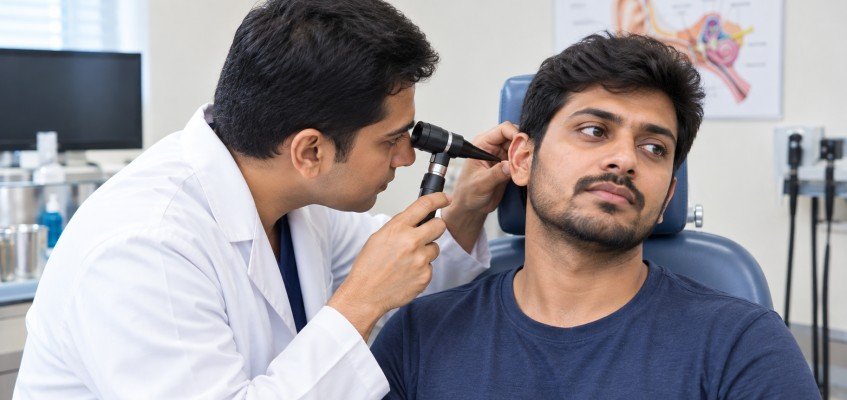
A sialolithiasis diagnosis may involve a physical examination of the mouth, jaw and neck. The doctor may gently press the gland to check saliva flow from the duct opening. If a stone is near the duct opening, it may be visible or felt during examination.
Imaging helps locate stones that are deeper or too small to feel. Ultrasound is commonly used because it is non-invasive and useful for salivary gland assessment. In selected cases, CT imaging or specialised duct evaluation may be recommended. As the best ENT clinic in Kerala with advanced diagnostic support, Ascent ENT Hospital Kerala can guide patients through the right evaluation based on symptoms and clinical findings.
Treatment Options for Salivary Stones
Treatment for sialolithiasis depends on the stone size, location, symptoms and whether infection is present. Many small stones near the duct opening can be managed with conservative care under medical guidance.
Conservative treatment
Mild cases may improve with increased water intake, warm compresses and gentle gland massage. Doctors may suggest sour foods or sugar-free lemon drops to stimulate saliva flow if suitable for the patient. Pain relief medicines may be used when needed. If infection is present, antibiotics may be prescribed.
Do not try to forcefully remove a stone at home. Aggressive squeezing or using sharp objects can injure the duct, worsen swelling or introduce infection.
Sialendoscopy
Sialendoscopy is a minimally invasive procedure that uses a very small endoscope to see inside the salivary duct. It can help diagnose blockages and in selected cases assist with stone removal or duct widening. You can learn more in this detailed guide: What Is Sialendoscopy?
Sialendoscopy is useful for selected sialolithiasis cases because it can treat the blockage while preserving the salivary gland. Recovery is often quicker than traditional open surgery, though suitability depends on the stone’s size and position.
Surgical treatment
If a stone is large, deeply placed or repeatedly causing infection, surgery may be required. Some stones can be removed through a small incision inside the mouth. Rarely, if the gland is badly damaged or infections keep returning, Submandibular Gland Excision may be considered to remove the affected gland. To understand more about this procedure, read What Is Submandibular Gland Excision? Procedure, Risks & Recovery.
At Ascent Hospital, salivary gland concerns are managed within broader Ear Nose Throat Head And Neck Surgery services. Patients can access expert ENT surgeons, day care ENT surgery options where appropriate and emergency ENT support for painful swelling or infection.
Can Salivary Stones be Prevented?
Not every case can be prevented, but healthy habits may reduce risk. Staying well hydrated is important because thick saliva is more likely to stagnate. Good oral hygiene also helps reduce bacterial growth around duct openings.
People who experience recurrent dry mouth should discuss medicines, medical conditions or lifestyle factors with a doctor. If swelling repeats after meals, early evaluation can prevent ongoing duct damage and infection.
Get Salivary Gland Swelling Checked Early
Sialolithiasis is usually manageable when diagnosed at the right time. The key symptoms include swelling under the jaw or near the cheek, pain during meals, dry mouth, bad taste and signs of infection. Causes often include thick saliva, reduced flow, dehydration or duct narrowing.
Modern ENT care offers several treatment options, from hydration and massage to sialendoscopy and surgery for complex cases. The right approach depends on the stone’s size, location and impact on your daily life.
If you have repeated salivary gland swelling or pain while eating, do not wait for it to become an emergency. Schedule a consultation with Ascent Hospital to get an expert ENT assessment and personalised treatment guidance from one of the leading centres for specialised ENT care in Kerala.
Frequently Asked Questions
1. Is sialolithiasis dangerous?
Most cases are not dangerous, but untreated blockage can lead to recurrent infection, abscess formation or gland damage. Painful swelling with fever needs prompt ENT care.
2. Can sialolithiasis go away on its own?
Very small stones may pass naturally, especially with hydration and saliva stimulation. However, recurring swelling or persistent pain should be checked by an ENT specialist.
3. Which gland is most commonly affected?
The submandibular gland below the jaw is most commonly affected because its saliva is thicker and its duct drains against gravity.
4. How do I know if it is a stone or an infection?
A stone often causes meal-related swelling. Infection may cause redness, warmth, pus, fever and increasing tenderness. Both can occur together, so examination is important.
5. Is sialendoscopy painful?
It is usually performed with appropriate anaesthesia or sedation based on the case. Your ENT surgeon will explain comfort measures, expected recovery and possible risks before the procedure.
Share

Our Professionals
 (1) (2).png)
Dr. Sharafudheen. P.K
Chief Consultant ENT & Cochlear Implant Surgeon
MBBS, MS (ENT), DORL DOHNS - RCS Ed (UK)
 (2).jpg)
Dr. Anuradha Varma. M.R
Senior Consultant ENT, Head & Neck Surgeon
MBBS, DLO
.jpeg)
Dr. Bijiraj Vathwam Veettil
Senior Consultant ENT Head & Neck, Sleep Surgeon
MBBS, MS (ENT), Fellowship in Snoring and Sleep apnea Surgeries (Singapore), Fellowship in sinus and skull base surgery
.png)
Dr. Prasanth Parameswaran
Senior Consultant ENT, Head & Neck Surgeon
MBBS, DLO, DNB (ENT), MNAMS, AASC (Specialist - Allergy and Immunotherapy), Fellowship in Snoring and Sleep apnea Surgeries (Singapore).

Dr. Arshad M Razi
Consultant ENT, Head & Neck Surgeon
MBBS, MS (ENT), Fellow in Head & Neck Surgical Oncology

Dr. Deepthi. N.V
Senior Consultant ENT, Head & Neck Surgeon
MBBS, DNB (ENT)


Dr. K Shilpa Nair
ENT Surgeon | Cochlear Implant & Sleep Surgery Specialist
MBBS, MS, DNB, MRCS(Eng), Post doctoral Fellowship in Implantation Otology


Dr. Nibi Shajahan
Consultant ENT, Head & Neck Surgeon
MBBS, MS (ENT), Fellowship in Snoring and Sleep apnea Surgeries (Singapore). Trained in Allergy and Immunotherapy




Dr.Anand Krishnan
Consultant ENT, Head and Neck Surgeon
MBBS ,DLO ,DNB ENT ,MRCS (ENGLAND)




Dr. Seshadri Ganesh. A.L
Senior Consultant Anaesthesiologist
MBBS, DCH, MD, DIP.N.B




Mr. Prasanth. N.P
Senior Audiologist & Speech Language Pathologist
BASLP, MASLP, MSc (Psy)

Ms. Chinju Johny
Audiologist & Speech Language Pathologist
BASLP, MSc (Audiology)



Our Patient Stories
View All Testimonials