Blogs
What Is Sialendoscopy ?

Recent decades have shown a marked change in the otolaryngology and head and neck surgery focusing more towards the concept of organ and function preservation. There is a paradigm shift in open surgical procedures which are getting replaced by endoscopic ones wherever possible. Sialendoscopy is one among them which has been a gamechanger in the management of salivary gland pathologies.
Inflammation of salivary gland (sialadenitis) secondary to obstructive pathologies including ductal stone, strictures and ductal polyps remains the most common disorder of salivary glands. Introduction of sialendoscopy has made a tremendous change in the management of these conditions previously treated with antibiotics, sialogogues, steroids or would undergo intraoral surgery or even gland removal.
Sialendoscopy is a minimally invasive procedure first described by Katz and Fritsch in the 1990s for the evaluation of salivary duct stones. Later on, a lot of advancement happened in the field of sialendoscopy and a lot of research is still going on in this field for exploring and widening the possibilities of sialendoscopy. Sialendoscopy has become the preferred diagnostic as well as therapeutic tool for management of various salivary gland disorders and it has helped significantly to reduce morbidity, loss of work hours and hospital stay.
At Ascent Hospital in Kerala, advanced sialendoscopy techniques are routinely performed offering patients therapeutic care for salivary gland disorders with minimal discomfort and faster recovery.
Indications
Salivary gland stones are the major indication of sialendoscopy in which patients present with painful swelling of salivary gland. It is complementary to diagnostic techniques such as USG, CT, MRI sialography and conventional sialography. Smaller stones less than 4mm can be easily basketed with the help of sialendoscope without any incision whereas larger stones require fragmentation of stones or a combined approach sialendoscopy by putting a small intra oral incision.
Other common indications include recurrent unexplained swelling of the major salivary glands associated with meals, ductal stenosis and intraductal masses. Studies have shown benefits in conditions like radioiodine induced sialadenitis, juvenile recurrent parotitis and Sjogren syndrome.
In many cases, sialendoscopy is both diagnostic and therapeutic, allowing the ENT doctor to identify and treat the problem in a single sitting. This advanced procedure is offered at the best ENT hospital in Kerala, ensuring comprehensive care and excellent outcomes.
How is the Procedure Performed?
Sialendoscopy is typically performed under general anesthesia.
1. The surgeon gently inserts a fine endoscope through the natural opening of the salivary duct inside the mouth.
2. The ductal system is explored using saline irrigation for clear visualization.
3. If a stone or debris is found, miniature instruments such as micro forceps or basket are used to remove it.
4. If there is a narrowing (stricture), it can be dilated.
The procedure usually lasts 60-90 minutes and does not require external cuts, minimizing pain, swelling and scarring.
Benefits of Sialendoscopy
· Minimally invasive - No external incisions or scars
· Gland preservation - Avoids the need for gland removal surgery
· Short recovery time - Patients can often return to normal activities within a day or two
· Reduced pain and swelling
· High success rate in managing ductal stones and strictures
· Can be repeated if needed for recurrent symptoms
Recovery and Aftercare
Most patients experience mild discomfort or swelling for a few days after the procedure. You may be advised to:
Drink plenty of fluids to maintain saliva flow
Massage the affected gland gently
Apply warm compresses if swelling occurs
Take prescribed antibiotics or pain medication
Avoid spicy or acidic foods temporarily
Follow-up visits ensure proper duct healing and gland function. In most cases, normal salivary flow returns soon after the procedure.
Possible Risks and Complications
Sialendoscopy is a very safe procedure, but as with any intervention minor risks exist. These may include:
Temporary swelling or bruising
Infection at the duct opening
Rarely, ductal injury or stricture formation.
Conclusion
Sialendoscopy is a groundbreaking advancement in the field of salivary gland surgery. It provides a safe, scar-free and effective solution for patients suffering from recurrent gland swelling, stones or ductal problems, all while preserving the natural gland.
If you experience pain or swelling around your jaw or cheek area especially while eating, it’s worth consulting an ENT specialist. With proper evaluation and timely management, sialendoscopy can help restore comfort, function and quality of life. Book your consultation now at Ascent Hospital and take the first step towards lasting relief and healthier salivary gland function.
Share
Our Professionals
 (1) (2).png)
Dr. Sharafudheen. P.K
Chief Consultant ENT & Cochlear Implant Surgeon
MBBS, MS (ENT), DORL DOHNS - RCS Ed (UK)
 (2).jpg)
Dr. Anuradha Varma. M.R
Senior Consultant ENT, Head & Neck Surgeon
MBBS, DLO
.jpeg)
Dr. Bijiraj Vathwam Veettil
Senior Consultant ENT Head & Neck, Sleep Surgeon
MBBS, MS (ENT), Fellowship in Snoring and Sleep apnea Surgeries (Singapore), Fellowship in sinus and skull base surgery
.png)
Dr. Prasanth Parameswaran
Senior Consultant ENT, Head & Neck Surgeon
MBBS, DLO, DNB (ENT), MNAMS, AASC (Specialist - Allergy and Immunotherapy), Fellowship in Snoring and Sleep apnea Surgeries (Singapore).
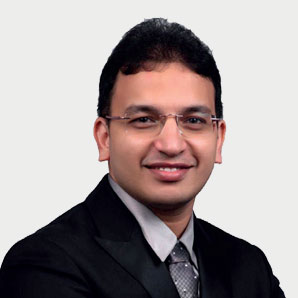
Dr. Arshad M Razi
Consultant ENT, Head & Neck Surgeon
MBBS, MS (ENT), Fellow in Head & Neck Surgical Oncology
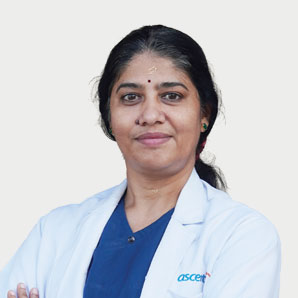
Dr. Deepthi. N.V
Senior Consultant ENT, Head & Neck Surgeon
MBBS, DNB (ENT)
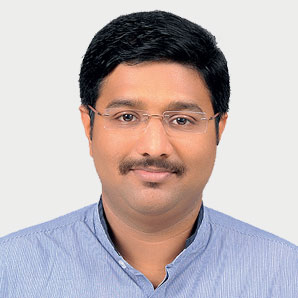
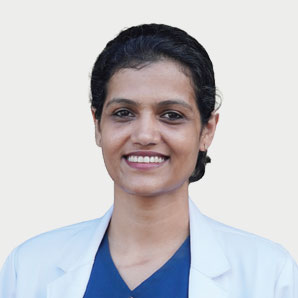
Dr. K Shilpa Nair
ENT Surgeon | Cochlear Implant & Sleep Surgery Specialist
MBBS, MS, DNB, MRCS(Eng), Post doctoral Fellowship in Implantation Otology

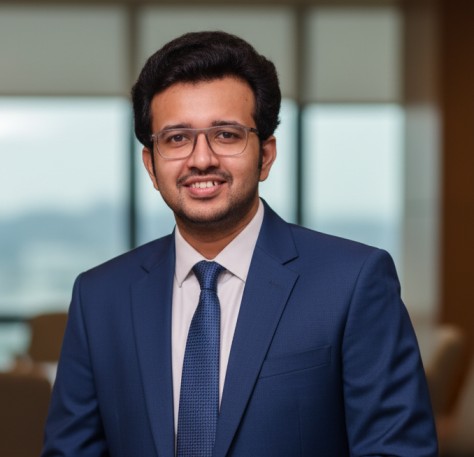
Dr. Nibi Shajahan
Consultant ENT, Head & Neck Surgeon
MBBS, MS (ENT), Fellowship in Snoring and Sleep apnea Surgeries (Singapore). Trained in Allergy and Immunotherapy
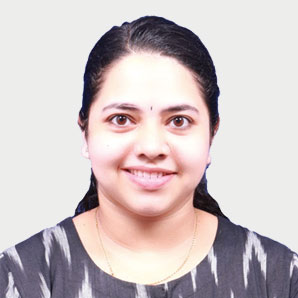
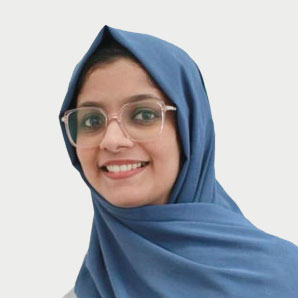
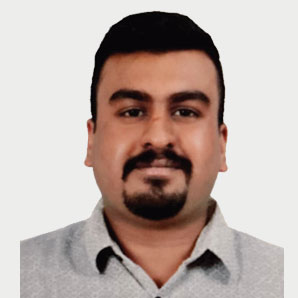

Dr.Anand Krishnan
Consultant ENT, Head and Neck Surgeon
MBBS ,DLO ,DNB ENT ,MRCS (ENGLAND)
Dr. Seshadri Ganesh. A.L
Senior Consultant Anaesthesiologist
MBBS, DCH, MD, DIP.N.B
Mr. Prasanth. N.P
Senior Audiologist & Speech Language Pathologist
BASLP, MASLP, MSc (Psy)
Ms. Chinju Johny
Audiologist & Speech Language Pathologist
BASLP, MSc (Audiology)

Our Patient Stories
View All Testimonials