Blogs
Big Nose Rhinoplasty Surgery: Who Needs It and What to Expect
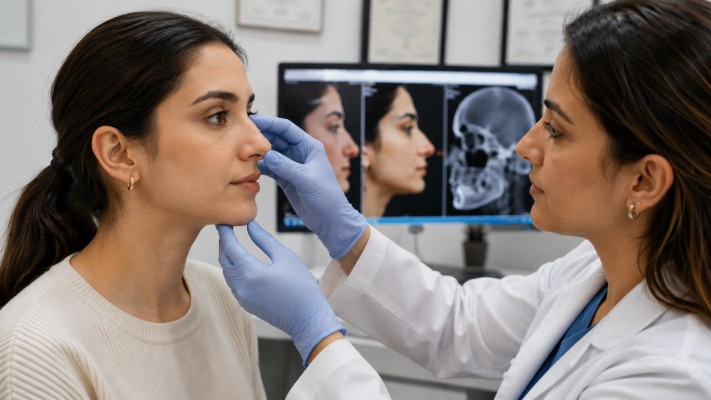
Big Nose Rhinoplasty is a nose reshaping procedure designed for people who feel their nose looks too large for their face. It can reduce, refine or balance the nasal bridge, tip or width while keeping the result natural.
For many people, nose size is not only about appearance. A large or prominent nose may also be linked with a deviated nasal septum, nasal obstruction, past injury or breathing difficulty. This guide explains who may need Big Nose Rhinoplasty, what benefits it can offer and what typically happens during the procedure.
The best approach is not to make every nose small. It is to create facial balance while protecting healthy breathing. At Ascent Hospital, the best ENT Hospital in Kerala, patients can consult experienced ENT specialists for safe evaluation and personalised treatment planning.
Who May Need Big Nose Rhinoplasty?
A person may consider Big Nose Rhinoplasty when the nose appears out of proportion with the rest of the face. This may include a high bridge, wide nasal bones, a broad or bulbous tip, a drooping tip or an overall projection that makes the nose look too dominant.
Some patients seek treatment after an injury that changed the shape of the nose. Others may have inherited a nasal shape that affects their confidence in photos, social situations or daily life. In some cases, the concern is functional as well as cosmetic.
You may be a suitable candidate if you have:
-
A nose that looks too large for your facial features
-
A prominent hump on the bridge of the nose
-
A wide or heavy nasal tip
-
A crooked nose after trauma or previous surgery
-
Breathing difficulty linked with internal nasal structure
-
Realistic expectations about improvement rather than perfection
Not every prominent nose needs Rhinoplasty surgery. A good ENT evaluation considers facial proportions, skin thickness, cartilage strength, airway function and your personal goals before recommending treatment.
Cosmetic Concern or Medical Concern?
Big Nose Rhinoplasty is not only about reducing size. A nose can look large because of poor proportion, an overprojected tip or imbalance between the nose, chin and cheeks. In these cases, subtle reshaping may create a better result than aggressive reduction.
From a medical point of view, the surgeon may also check for septal deviation, turbinate enlargement, nasal valve weakness or sinus-related concerns. If breathing problems are present, the procedure may be combined with functional correction. This is why choosing an ENT clinic in Kerala with expertise in both nasal appearance and nasal function matters.
| Concern | What it may mean | Possible treatment approach |
|---|---|---|
| Large bridge or hump | Bone or cartilage prominence | Bridge refinement and profile balancing |
| Wide nasal bones | Broad upper nose | Controlled narrowing of nasal bones |
| Bulbous tip | Thick skin or broad cartilage | Tip reshaping and support correction |
| Crooked nose | Injury or structural deviation | Straightening with functional assessment |
| Breathing difficulty | Septum, turbinates or valve issue | Functional rhinoplasty or combined nasal surgery |
Benefits of Big Nose Rhinoplasty
Big Nose Rhinoplasty works best when the goal is balanced improvement. The right result should suit your face, age, gender, ethnicity and breathing needs.
Key benefits may include improved facial harmony, a softer side profile, better definition of the nasal tip and reduced prominence of a hump or wide bridge. Patients often feel more comfortable in photographs when the nose no longer draws attention away from the eyes and smiles.
There may also be functional benefits if the procedure corrects internal obstruction. When performed for the right indication, rhinoplasty can improve airflow, reduce the feeling of blockage and support better nasal breathing. However, the exact outcome depends on the cause of obstruction and the surgical plan.
If you are still learning about nose reshaping, you can read more in What is a Nose Job? or explore Rhinoplasty Secrets Unveiled for more insights.
How the Procedure is Planned
A safe Big Nose Rhinoplasty begins with a detailed consultation. Your surgeon will examine your nose from the front, side and base view. They will also assess breathing, nasal lining, septum position and any history of allergy, sinus issues or injury.
At Ascent ENT Hospital Kerala, ENT care is supported by modern diagnostic facilities and experienced doctors. As Kerala's first ISO and NABH accredited ENT specialty hospital, Ascent provides comprehensive ear, nose, throat, head and neck care with advanced technology.
During planning, the surgeon may discuss whether you need cosmetic rhinoplasty, functional rhinoplasty or a combination. Patients looking for rhinoplasty in Kerala should also ask about expected recovery time, limitations, possible risks and the level of change that is realistically achievable.
Big Nose Rhinoplasty Procedure Explained
The exact Big Nose Rhinoplasty procedure depends on the structure being corrected. It is usually performed under anaesthesia and the surgeon may use an open or closed technique based on the complexity of the case.
In an open approach, a small incision is made across the columella, the tissue between the nostrils. This gives the surgeon better visibility for detailed reshaping. In a closed approach, incisions are placed inside the nostrils, leaving no visible external scar. Your surgeon will recommend the best option after examination.
The procedure may involve reducing a bridge hump, reshaping cartilage, refining the tip, narrowing nasal bones or correcting septal deviation. The aim is to reshape without weakening support. Over-reduction can create breathing issues or an unnatural look, so structural preservation is important.
Patients considering rhinoplasty surgery in Kerala should choose a hospital that understands both cosmetic balance and ENT function. Ascent offers specialised nasal care and also provides rhinoplasty treatment in Malappuram, Calicut and Palakkad for patients seeking expert evaluation.
Recovery and Expected Timeline
After Big Nose Rhinoplasty, most patients can expect swelling, mild bruising and temporary nasal stuffiness. A nasal splint may be used for support during the early healing phase. Your surgeon will give specific instructions on sleep position, cleaning, medications, activity restrictions and follow-up visits.
Early swelling improves within weeks, but final refinement takes longer. The tip of the nose can remain slightly swollen for several months, especially in people with thicker skin.
| Recovery phase | What to expect | General care advice |
|---|---|---|
| First week | Swelling, stuffiness and splint support | Rest, keep head elevated and avoid pressure on the nose |
| 1 to 2 weeks | Bruising improves and social activities may resume | Follow surgeon advice before returning to work |
| 3 to 6 weeks | Breathing and swelling gradually improve | Avoid heavy exercise until cleared |
| 3 to 12 months | Shape becomes more refined | Attend follow-up visits and be patient with healing |
Do not compare your recovery with another patient. Healing depends on the extent of surgery, skin type, age, medical history and aftercare.
Choosing the Right Surgeon and Hospital
Because Big Nose Rhinoplasty changes both appearance and nasal structure, the surgeon's experience is critical. An ENT surgeon in Kerala with rhinoplasty expertise can assess the airway as well as the outer shape of the nose.
When choosing a hospital, look for proper accreditation, emergency support, advanced diagnostic tools and clear counselling before surgery. Ascent Hospital is widely recognised as a best ENT clinic in Kerala and provides comprehensive ENT services with expert surgeons. If you are searching for the best ENT surgeon in Kerala, a consultation at Ascent can help you understand your options in a safe and medically guided way.
Key Takeaways
Big Nose Rhinoplasty can help people who feel their nose is too large, wide, projected or unbalanced for their face. It may also support better breathing when internal nasal problems are corrected at the same time. The safest results come from careful planning, realistic expectations and a surgeon who understands both appearance and function.
If you are considering nose reshaping, consult Ascent Hospital for expert ENT evaluation and personalised guidance. Schedule a consultation with Ascent Hospital to discuss your concerns, understand your options and take the next step toward a nose that feels balanced, natural and healthy.
Frequently Asked Questions
1. Is Big Nose Rhinoplasty painful?
Most patients do not feel pain during the procedure because it is done under anaesthesia. After surgery, discomfort, tightness and swelling are common, but they are usually managed with medicines prescribed by the surgeon.
2. Can Big Nose Rhinoplasty improve breathing?
Yes, it may improve breathing if the surgery corrects issues such as a deviated septum, valve weakness or structural blockage. A proper ENT examination is needed to confirm the cause.
3. Will my nose look very small after surgery?
The goal is usually balance, not an unnaturally small nose. A skilled surgeon plans changes that suit your facial proportions and preserve nasal function.
4. How long does it take to see the final result?
You may notice early changes after the splint is removed, but final refinement can take several months. In many patients, the nose continues to settle for up to a year.
5. Who should avoid or postpone surgery?
Surgery may need to be postponed for people with active infection, uncontrolled medical conditions, unrealistic expectations or incomplete facial growth. Your doctor will guide you after assessment.
Share


Our Professionals
 (1) (2).png)
Dr. Sharafudheen. P.K
Chief Consultant ENT & Cochlear Implant Surgeon
MBBS, MS (ENT), DORL DOHNS - RCS Ed (UK)
 (2).jpg)
Dr. Anuradha Varma. M.R
Senior Consultant ENT, Head & Neck Surgeon
MBBS, DLO
.jpeg)
Dr. Bijiraj Vathwam Veettil
Senior Consultant ENT Head & Neck, Sleep Surgeon
MBBS, MS (ENT), Fellowship in Snoring and Sleep apnea Surgeries (Singapore), Fellowship in sinus and skull base surgery
.png)
Dr. Prasanth Parameswaran
Senior Consultant ENT, Head & Neck Surgeon
MBBS, DLO, DNB (ENT), MNAMS, AASC (Specialist - Allergy and Immunotherapy), Fellowship in Snoring and Sleep apnea Surgeries (Singapore).
Dr. Arshad M Razi
Consultant ENT, Head & Neck Surgeon
MBBS, MS (ENT), Fellow in Head & Neck Surgical Oncology
Dr. Deepthi. N.V
Senior Consultant ENT, Head & Neck Surgeon
MBBS, DNB (ENT)
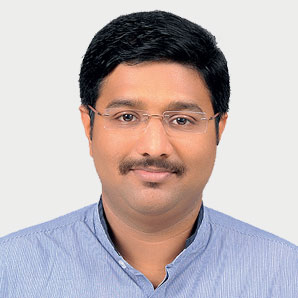
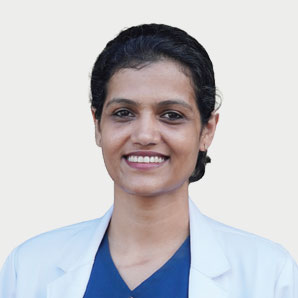
Dr. K Shilpa Nair
ENT Surgeon | Cochlear Implant & Sleep Surgery Specialist
MBBS, MS, DNB, MRCS(Eng), Post doctoral Fellowship in Implantation Otology


Dr. Nibi Shajahan
Consultant ENT, Head & Neck Surgeon
MBBS, MS (ENT), Fellowship in Snoring and Sleep apnea Surgeries (Singapore). Trained in Allergy and Immunotherapy


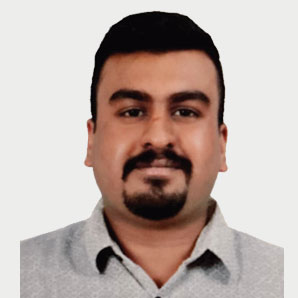

Dr.Anand Krishnan
Consultant ENT, Head and Neck Surgeon
MBBS ,DLO ,DNB ENT ,MRCS (ENGLAND)

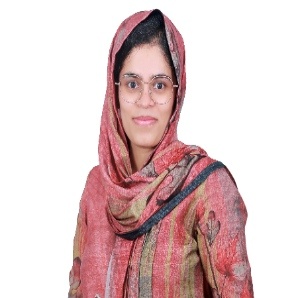
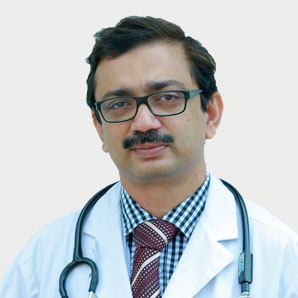
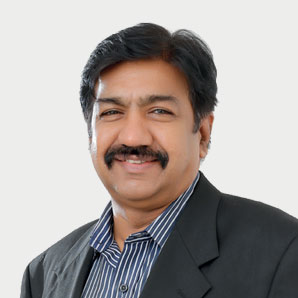
Dr. Seshadri Ganesh. A.L
Senior Consultant Anaesthesiologist
MBBS, DCH, MD, DIP.N.B
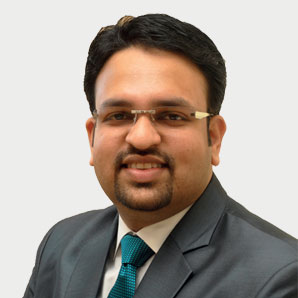
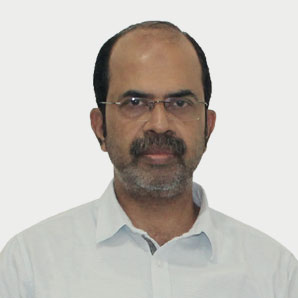

Mr. Prasanth. N.P
Senior Audiologist & Speech Language Pathologist
BASLP, MASLP, MSc (Psy)

Ms. Chinju Johny
Audiologist & Speech Language Pathologist
BASLP, MSc (Audiology)


Our Patient Stories
View All Testimonials