Blogs
Can Adenoids in Children Cause Snoring? Signs, Causes & Treatment Options

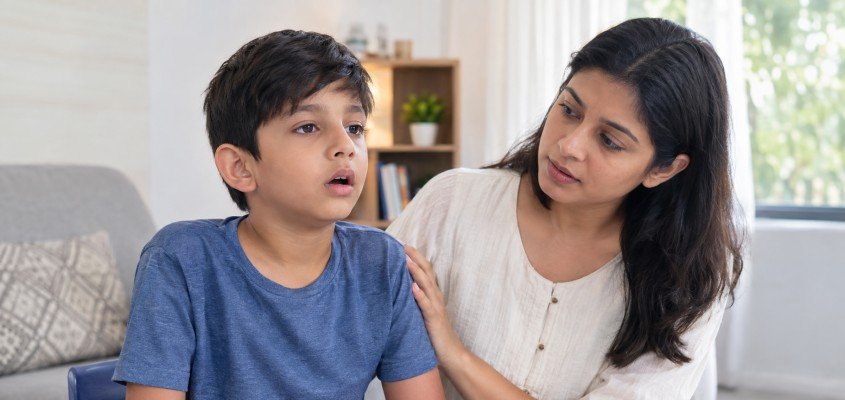
Adenoids in children and snoring refers to a common situation where enlarged adenoids block airflow during sleep and lead to noisy breathing. It often shows up as regular snoring along with mouth breathing at night.
Adenoids sit behind the nose and help fight infections in early childhood. When they swell frequently they can narrow the nasal airway which makes sleeping harder and noisier. In this article you will learn how adenoids in children and snoring are connected, what signs to look for, what usually causes the problem and the treatment options that help children sleep quietly and comfortably.
If your child snores most nights or seems to struggle for restful sleep, an ENT evaluation can make a big difference, especially when symptoms persist despite home care.
Understanding adenoids in children and snoring
What are adenoids and what do they do?
Adenoids are small pads of lymphoid tissue located high behind the nose. In young children they help the immune system recognise germs that enter through the nose. As children grow, adenoids usually shrink and become much less important.
When adenoids stay enlarged, they can obstruct the nasal passage. That is where adenoids in children and snoring becomes relevant because airflow is forced through a smaller space and vibration increases.
Can enlarged adenoids really cause snoring in children?
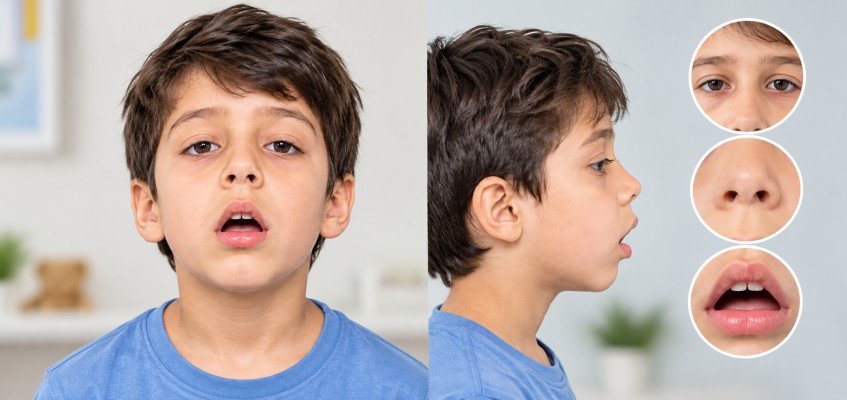
Yes. Adenoids in children usually cause snoring because enlarged adenoids can block normal nasal breathing during sleep. When the nose is blocked, children often sleep with an open mouth. This dries the throat, increases vibration of soft tissues and makes snoring more likely.
In some children the obstruction can contribute to obstructive sleep apnoea (OSA), where breathing becomes partially blocked for short periods during sleep. Not every child who snores has OSA. Still, frequent loud snoring with disturbed sleep should be assessed.
Signs that point to adenoids in children and snoring
Snoring alone can happen during a cold. The stronger clue is a pattern that keeps returning. These are common signs seen with adenoids in children and snoring:
-
Habitual snoring most nights
-
Mouth breathing during sleep and often during the day
-
Nasal sounding voice or “blocked nose” voice
-
Restless sleep with frequent position changes
-
Pauses in breathing or gasping sounds during sleep
-
Daytime sleepiness or irritability
-
Difficulty concentrating in school
-
Recurrent ear infections or hearing concerns
-
Recurrent cold
-
Facial disfigurement like protruded teeth, elongated face
Adenoids are close to the openings of the eustachian tubes. When swollen they can affect ear pressure and fluid build up. That is why adenoids in children and snoring sometimes appear alongside ear problems.
Quick guide: symptoms and what they may mean
| Symptom | What it may suggest | When to seek care soon |
|---|---|---|
| Snoring most nights | Ongoing nasal obstruction from enlarged adenoids | If it lasts weeks or worsens |
| Mouth breathing with dry lips on waking | Nose blockage during sleep | If it is persistent even without a cold |
| Pauses in breathing or choking sounds | Possible obstructive sleep apnoea | Same week evaluation is advised |
| Frequent ear infections or reduced hearing | Eustachian tube blockage or middle ear fluid | If infections repeat or hearing seems affected |
| Poor sleep with daytime tiredness | Sleep fragmentation from obstruction | If school performance or behaviour is affected |
Causes and risk factors behind adenoids in children and snoring
Adenoids enlarge mainly due to repeated inflammation. Common contributors include:
-
Recurrent upper respiratory infections
-
Allergic rhinitis (nasal allergy)
-
Chronic sinus inflammation
Many parents notice adenoids in children and snoring becomes worse during allergy seasons or after back to back colds at school.
How ENT specialists diagnose the problem
A proper diagnosis matters because snoring can also come from nasal allergy, deviated septum, enlarged tonsils or obesity related airway narrowing. For adenoids in children and snoring, ENT specialists usually combine:
-
Symptom history (snoring pattern, sleep quality, mouth breathing)
-
Physical examination of nose throat and ears
-
Nasal endoscopy when needed (a small camera used to see the adenoids)
-
Imaging in selected cases
-
Sleep study in children with suspected obstructive sleep apnoea ( Rarely)
If you are looking for an experienced ENT clinic in Kerala that routinely evaluates paediatric snoring and airway obstruction, a specialty centre can streamline the process.
Treatment options for adenoids in children and snoring
The right treatment depends on severity, age and whether there is allergy or infection driving the swelling. The goal is simple: reduce obstruction and restore restful sleep.
1) Watchful waiting for mild cases
If adenoids in children and snoring are mild and mostly seen during colds, doctors may advise monitoring. Many children improve as infections reduce and adenoids naturally shrink with age.
2) Medical treatment
Medical therapy is often used when allergies or chronic nasal inflammation are present. Depending on the child’s situation an ENT doctor may recommend:
-
Saline nasal rinses
-
Steroid nasal sprays
-
Allergy control measures
-
Medicines for nasal inflammation (only under medical advice)
When medical treatment works well, adenoids in children and snoring can reduce significantly without surgery.
3) Adenoidectomy (adenoid removal)
Surgery may be considered when symptoms are persistent or complications occur. Adenoidectomy is a common procedure for children with significant nasal obstruction, recurrent ear disease or suspected OSA linked to enlarged adenoids.
Adenoidectomy may be advised when:
-
Snoring is frequent and loud for weeks to months
-
Mouth breathing is constant
-
Sleep is clearly disturbed
-
Ear infections recur or fluid affects hearing
-
There are signs of obstructive sleep apnoea
In some children adenoids and tonsils both contribute to blockage. If you want to understand how each affects breathing and infections, read Adenoids vs Tonsils.
4) Managing related snoring and sleep issues
Even after the main cause is treated, some children benefit from targeted guidance on sleep positioning, allergy prevention and follow up checks. If you want condition specific guidance from an ENT sleep perspective, explore Snoring Remedies & Devices for Lasting Relief.
When should parents worry about snoring?
Occasional snoring during a fever or cold is common. Seek evaluation sooner if adenoids in children and snoring come with:
-
Breathing pauses witnessed during sleep
-
Laboured breathing or chest retractions
-
Poor weight gain in small children due to disrupted sleep
-
Significant daytime sleepiness or behaviour changes
If you need prompt assessment, Ascent Hospital offers 24/7 ENT emergency care. You can learn more about Ascent ENT Hospital Kerala and its specialty services.
Why choose Ascent Hospital for paediatric ENT care?
Managing adenoids in children and snoring is not only about stopping noise. It is about protecting sleep quality, growth, learning and ear health.
Ascent Hospital is recognised as a best ENT Hospital in Kerala with advanced ENT diagnostics and experienced ENT surgeons. Families also value the comprehensive approach that includes paediatric airway assessment, ear evaluation and surgical care when indicated.
If you are searching for a Best ENT Clinic or a Best ENT surgeon in kerala for your child’s snoring concerns, a specialty ENT hospital can help you move from guesswork to a clear plan.
Conclusion
Adenoids in children and snoring is often linked to enlarged adenoids blocking normal nasal airflow during sleep. Watch for persistent snoring, mouth breathing, restless sleep and ear related issues. Diagnosis by an ENT specialist helps rule out other causes and ensures the right treatment, from allergy control and medical therapy to adenoidectomy when needed.
If your child snores regularly or shows signs of disturbed sleep, schedule an ENT consultation at Ascent Hospital, a best ENT Hospital in Kerala. Book your visit through Contact Us to get a personalised evaluation and a clear treatment plan.
Frequently Asked Questions
Do adenoids always cause snoring in children?
No. Adenoids in children and snoring often occur together but snoring can also be caused by allergies, enlarged tonsils or a temporary cold.
How do I know if my child’s snoring is from adenoids or tonsils?
Both can narrow the airway. An ENT examination helps identify whether adenoids, tonsils or both are contributing. Symptoms like chronic mouth breathing often point more toward adenoids.
Can adenoids in children and snoring lead to sleep apnoea?
It can. Enlarged adenoids may contribute to obstructive sleep apnoea in some children, especially if there are breathing pauses, gasping or severe restless sleep.
Will my child’s adenoids shrink with age?
In many children adenoids reduce in size as they grow. If symptoms are mild, doctors may monitor and focus on treating triggers like allergy.
Is adenoid surgery safe for children?
Adenoidectomy is commonly performed in children when clearly indicated. Your ENT surgeon will explain benefits, risks and the recovery plan for your child’s specific situation.
Share

Our Professionals
 (1) (2).png)
Dr. Sharafudheen. P.K
Chief Consultant ENT & Cochlear Implant Surgeon
MBBS, MS (ENT), DORL DOHNS - RCS Ed (UK)
 (2).jpg)
Dr. Anuradha Varma. M.R
Senior Consultant ENT, Head & Neck Surgeon
MBBS, DLO
.jpeg)
Dr. Bijiraj Vathwam Veettil
Senior Consultant ENT Head & Neck, Sleep Surgeon
MBBS, MS (ENT), Fellowship in Snoring and Sleep apnea Surgeries (Singapore), Fellowship in sinus and skull base surgery
.png)
Dr. Prasanth Parameswaran
Senior Consultant ENT, Head & Neck Surgeon
MBBS, DLO, DNB (ENT), MNAMS, AASC (Specialist - Allergy and Immunotherapy), Fellowship in Snoring and Sleep apnea Surgeries (Singapore).

Dr. Arshad M Razi
Consultant ENT, Head & Neck Surgeon
MBBS, MS (ENT), Fellow in Head & Neck Surgical Oncology
Dr. Deepthi. N.V
Senior Consultant ENT, Head & Neck Surgeon
MBBS, DNB (ENT)

Dr. K Shilpa Nair
ENT Surgeon | Cochlear Implant & Sleep Surgery Specialist
MBBS, MS, DNB, MRCS(Eng), Post doctoral Fellowship in Implantation Otology


Dr. Nibi Shajahan
Consultant ENT, Head & Neck Surgeon
MBBS, MS (ENT), Fellowship in Snoring and Sleep apnea Surgeries (Singapore). Trained in Allergy and Immunotherapy




Dr.Anand Krishnan
Consultant ENT, Head and Neck Surgeon
MBBS ,DLO ,DNB ENT ,MRCS (ENGLAND)




Dr. Seshadri Ganesh. A.L
Senior Consultant Anaesthesiologist
MBBS, DCH, MD, DIP.N.B




Mr. Prasanth. N.P
Senior Audiologist & Speech Language Pathologist
BASLP, MASLP, MSc (Psy)

Ms. Chinju Johny
Audiologist & Speech Language Pathologist
BASLP, MSc (Audiology)



Our Patient Stories
View All Testimonials