Blogs
Who Needs Rhinoplasty? Signs, Benefits and When to Consider
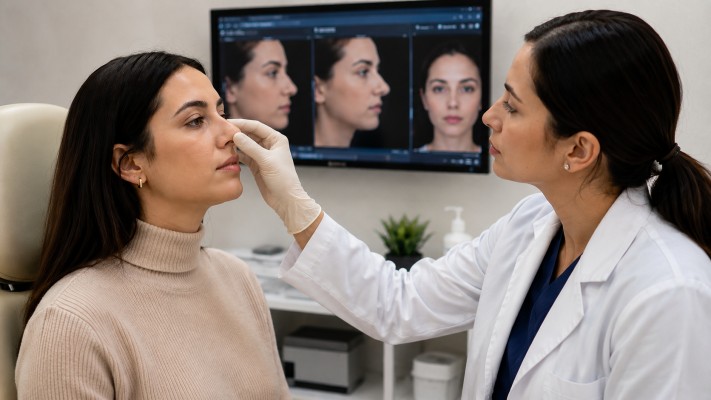
Who needs rhinoplasty refers to people whose nose shape, structure or airflow problems may improve with nose surgery. It includes individuals looking for better breathing, improved facial balance or correction after injury, birth differences or previous surgery.
Rhinoplasty can be both a functional ENT procedure and a cosmetic nose reshaping surgery. This guide explains who needs rhinoplasty from a medical and practical point of view, including common signs, benefits and the right time to seek expert advice. The aim is to help you make a safe, informed decision rather than choosing surgery because of trends, social pressure or a quick cosmetic impulse.
By the end, you will understand when nose surgery may be useful and why an ENT specialist evaluation is an important first step.
Rhinoplasty in Simple Terms
Rhinoplasty is surgery that changes the shape or structure of the nose. It may be done to improve appearance, correct breathing problems or repair damage after an injury.
Understanding who needs rhinoplasty surgery in Kerala starts with one key point: not every nose concern requires surgery. Many problems such as allergy, sinus infection or turbinate swelling can sometimes be managed with medicines, lifestyle changes or non-surgical ENT treatments. Surgery is usually considered when the structure of the nose itself is affecting breathing, comfort or confidence.
A good rhinoplasty decision is based on a full assessment of the nose from the outside and inside. The surgeon looks at nasal bones, cartilage, septum, nostrils, nasal tip, airway and overall facial proportion.
Who Needs Rhinoplasty for Medical Reasons?
A patient who needs rhinoplasty for medical reasons often has symptoms that affect breathing, sleep or daily comfort. These concerns may be present from birth or may develop after trauma, infection or previous nasal surgery.
Common medical reasons include a visibly crooked nose after injury, nasal blockage that does not improve with regular treatment, structural narrowing of the nasal valve or a deviated septum that affects airflow. In some cases, rhinoplasty may be combined with procedures such as septoplasty or turbinate reduction depending on the diagnosis.
You should consider an ENT consultation if you often breathe through your mouth, feel blocked on one side of the nose or struggle during exercise because of poor nasal airflow. Snoring and disturbed sleep can also be linked to nasal obstruction, although they may have several other causes that need proper evaluation.
If you are searching for the best ENT Hospital in Kerala for best guidance, Ascent Hospital offers comprehensive ear, nose, throat, head and neck care with advanced ENT assessment. Ascent is also known as Kerala’s first ISO and NABH accredited ENT specialty hospital, with expert doctors and modern diagnostic support.
Who Needs Rhinoplasty for Cosmetic Reasons?
Some people consider rhinoplasty because they feel their nose is too prominent, too small, too large, crooked or not balanced with other facial features. Cosmetic concerns may include a hump on the bridge, drooping tip, bulbous tip, wide nostrils or visible asymmetry.
Not everyone who needs rhinoplasty has a breathing problem. For some patients, the main concern is how the nose affects facial harmony and self-confidence. This is still a valid reason to seek a consultation, but expectations must be realistic.
A qualified surgeon will not simply try to create a “perfect” nose. The goal is usually a natural-looking result that suits your face, age, skin thickness and nasal structure. A nose that looks good on someone else may not be the best choice for your facial features.
Patients looking for an experienced ENT clinic in Kerala should choose a centre where both function and appearance are evaluated carefully. This is especially important because a nose that looks attractive but does not breathe well can create long-term discomfort.
Signs it May Be Time to Consider Nose Surgery
The table below summarises common signs that may indicate the need for a rhinoplasty consultation.
| Sign or concern | What it may suggest | When to seek advice |
|---|---|---|
| Persistent blocked nose | Deviated septum, valve narrowing or structural obstruction | If medicines or routine ENT care do not help |
| Crooked nose after injury | Nasal bone or cartilage deformity | Soon after trauma or if deformity remains after healing |
| Trouble breathing during sleep | Nasal obstruction or related airway issue | If sleep quality, snoring or mouth breathing is frequent |
| Hump, drooping tip or asymmetry | Cosmetic or structural imbalance | If it affects confidence or facial balance |
| Problems after previous nose surgery | Scar tissue, shape concern or airway issue | After complete healing and specialist review |
| Birth-related nasal difference | Structural variation affecting shape or airflow | When growth and medical readiness are appropriate |
This table is only a guide. A final decision should always be made after a physical examination by a qualified ENT or rhinoplasty surgeon.
Benefits of Rhinoplasty
The benefits of rhinoplasty depend on why the surgery is done. For functional concerns, the main benefit may be easier nasal breathing. This can improve comfort during sleep, physical activity and daily routine.
For cosmetic concerns, rhinoplasty can improve facial balance. A subtle change to the bridge, tip or nostrils may make the nose look more proportionate without making the face look unnatural.
Rhinoplasty can also help after nasal trauma. If an injury has changed the shape of the nose or affected breathing, surgery may restore structure and improve appearance. In revision cases, the aim is to correct issues from a previous procedure, although these surgeries are often more complex.
Understanding who needs rhinoplasty also means understanding that results vary. Healing, skin thickness, cartilage strength, surgical technique and post-operative care all influence the final outcome.
When You Should Wait or Reconsider Rhinoplasty
Rhinoplasty is not something to rush. It is better to wait if your facial growth is not complete, if you have an active infection or if allergies are currently uncontrolled. In teenagers, the surgeon will consider age, growth, maturity and the reason for surgery before advising any procedure.
You may also need to reconsider if your expectations are unrealistic. Rhinoplasty can improve shape and function, but it cannot create perfection or solve emotional distress on its own. If you are hoping to look exactly like another person, a responsible surgeon will guide you toward safer expectations.
Smoking, uncontrolled diabetes, bleeding disorders and certain medical conditions may increase surgical risk. Always share your full medical history, current medicines and previous surgeries during consultation.
What Happens During a Rhinoplasty Consultation?
During a consultation, your doctor will ask about your symptoms, concerns and goals. They may examine the outside of your nose, check internal airflow and assess whether the septum or nasal valves are contributing to blockage.
You may be asked about previous injuries, allergies, sinus symptoms, sleep issues and earlier surgeries. Photographs may be taken for planning and discussion. In some cases, nasal endoscopy or imaging may be advised to understand the internal structures better.
Consulting the best ENT surgeon in Kerala can help you understand whether your concern is functional, cosmetic or both. At Ascent ENT Hospital Kerala, patients can receive specialised ENT evaluation and guidance on suitable treatment options.
If you are still unsure who needs rhinoplasty, the consultation itself can provide clarity. Sometimes the right answer is surgery. Sometimes the better first step is allergy treatment, sinus care, breathing assessment or observation.
How to Prepare Before Meeting the Surgeon
Before your appointment, write down your symptoms clearly. Note whether the blockage is on one side or both sides, whether it changes during the day and whether it worsens during sleep or exercise.
If your concern is cosmetic, think about what specifically bothers you. Is it the bridge, tip, nostrils, width, profile or asymmetry? Being specific helps the surgeon understand your goals better.
It is also useful to carry records of previous treatments, scans, injury details or surgery notes if available. Avoid hiding medical history, because safe surgical planning depends on complete information.
Patients searching for a best ENT Clinic should choose a hospital that explains the risks, benefits, recovery time and alternatives clearly. A good decision is made when the patient and surgeon agree on realistic goals.
Key Takeaways
The answer to who needs rhinoplasty depends on symptoms, nasal structure, facial goals and overall health. Rhinoplasty may be worth considering if you have long-term nasal blockage, a crooked nose after injury, visible shape concerns or functional issues that affect daily comfort.
The most important step is expert evaluation. A skilled ENT specialist can identify whether your concern requires surgery or whether another treatment may help first.
If you are considering nose surgery, do not guess or delay care. Schedule a consultation with Ascent Hospital to discuss your concerns, understand your options and take the next step toward safer breathing and better nasal confidence.
Frequently Asked Questions
Who needs rhinoplasty most often?
People with persistent nasal obstruction, crooked nose after injury, visible nasal deformity, breathing difficulty due to structural issues or strong cosmetic concerns may benefit from a rhinoplasty consultation.
Is rhinoplasty only a cosmetic surgery?
No. Rhinoplasty can be cosmetic, functional or both. Some patients want better facial balance, while others need correction of structural problems that affect breathing.
Can rhinoplasty improve breathing?
Yes, it may improve breathing when the problem is related to nasal structure. However, allergies, sinus disease and sleep-related breathing issues may need other treatments too.
What is the right age for rhinoplasty?
The right age depends on facial growth, medical condition and emotional maturity. A surgeon will assess whether the nose has developed enough and whether surgery is appropriate.
How long does it take to see final results?
Swelling reduces gradually over weeks and months. The final shape may take several months to become clear, especially around the nasal tip.
Share



Our Professionals
 (1) (2).png)
Dr. Sharafudheen. P.K
Chief Consultant ENT & Cochlear Implant Surgeon
MBBS, MS (ENT), DORL DOHNS - RCS Ed (UK)
 (2).jpg)
Dr. Anuradha Varma. M.R
Senior Consultant ENT, Head & Neck Surgeon
MBBS, DLO
.jpeg)
Dr. Bijiraj Vathwam Veettil
Senior Consultant ENT Head & Neck, Sleep Surgeon
MBBS, MS (ENT), Fellowship in Snoring and Sleep apnea Surgeries (Singapore), Fellowship in sinus and skull base surgery
.png)
Dr. Prasanth Parameswaran
Senior Consultant ENT, Head & Neck Surgeon
MBBS, DLO, DNB (ENT), MNAMS, AASC (Specialist - Allergy and Immunotherapy), Fellowship in Snoring and Sleep apnea Surgeries (Singapore).

Dr. Arshad M Razi
Consultant ENT, Head & Neck Surgeon
MBBS, MS (ENT), Fellow in Head & Neck Surgical Oncology

Dr. Deepthi. N.V
Senior Consultant ENT, Head & Neck Surgeon
MBBS, DNB (ENT)


Dr. K Shilpa Nair
ENT Surgeon | Cochlear Implant & Sleep Surgery Specialist
MBBS, MS, DNB, MRCS(Eng), Post doctoral Fellowship in Implantation Otology


Dr. Nibi Shajahan
Consultant ENT, Head & Neck Surgeon
MBBS, MS (ENT), Fellowship in Snoring and Sleep apnea Surgeries (Singapore). Trained in Allergy and Immunotherapy




Dr.Anand Krishnan
Consultant ENT, Head and Neck Surgeon
MBBS ,DLO ,DNB ENT ,MRCS (ENGLAND)




Dr. Seshadri Ganesh. A.L
Senior Consultant Anaesthesiologist
MBBS, DCH, MD, DIP.N.B




Mr. Prasanth. N.P
Senior Audiologist & Speech Language Pathologist
BASLP, MASLP, MSc (Psy)

Ms. Chinju Johny
Audiologist & Speech Language Pathologist
BASLP, MSc (Audiology)



Our Patient Stories
View All Testimonials