Blogs
What to Expect When Visiting an ENT Doctor

Finding the right ear, nose and throat specialist can feel stressful especially when you are urgently finding the after experiencing pain, dizziness or sudden hearing loss. This blog will show you exactly what happens after you book an appointment with the best ENT hospital in Kerala and what the tests may be involved and how a modern ENT centre such as Ascent Hospital delivers evidence-based care for their patients.
Why you might need an ENT consultation
An ENT physician diagnoses and treats conditions affecting the ears, nose, sinuses, voice box, throat head and neck. Common reasons to seek help include:
-
Chronic ear infections, earache or sudden hearing changes
-
Persistent nasal congestion, sinusitis or frequent nosebleeds
-
Sore throat that lasts longer than two weeks
-
Voice changes or hoarseness without an obvious cold
-
Vertigo, balance disorders or unexplained dizziness
-
Allergies that do not improve with over-the-counter medication
-
Suspicious neck lumps, thyroid nodules or sleep apnoea symptoms
If you face any of these issues and if it interferes with your daily smooth life, consulting an ENT specialist is the next logical step.
Preparing for your first appointment
Arriving prepared helps the consultation run smoothly and ensures the doctor has all the information needed to form an accurate diagnosis.
-
Write down symptoms: note onset, duration, triggers and anything that relieves or worsens the problem.
-
Bring previous medical records such as audiograms, CT or MRI scans, allergy test results and medication lists.
-
List current medicines and supplements, including nasal sprays or herbal remedies.
-
Mention occupational or lifestyle exposures (dust, loud noise, swimming, smoking) that may be relevant.
-
Arrange for a companion if you expect balance tests or procedures that could leave you temporarily light-headed.
Step-by-step: what to expect during the visit
1. Detailed history and discussion
The ENT doctor begins by reviewing the symptoms you are facing, general health and family history. Expect targeted questions about ear pain, nasal obstruction, voice use, sleep quality and any previous surgeries.
2. Physical examination
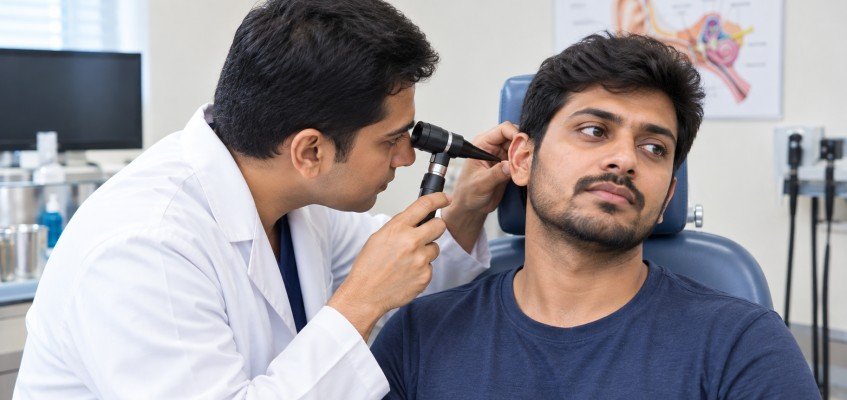
Using an otoscope, nasal speculum and head-mounted light, the specialist inspects:
-
Ear canals and eardrums for infection, wax impaction or perforation
-
Nasal passages for deviation and sinuses for polyps or discharge
-
Throat, tonsils and larynx for redness, swelling or lesions
-
Neck for enlarged lymph nodes, thyroid enlargement or masses
3. Endoscopic assessment (if required)
A thin flexible or rigid endoscope provides a high-definition view of deeper structures. Topical anaesthetic keeps discomfort minimal and the procedure usually lasts under five minutes.
4. Diagnostic tests
Depending on findings, you may undergo one or more of the following, many of which can be completed on the same day at Ascent Hospital Kerala:
| Test | Purpose |
|---|---|
| Pure-tone audiometry | Measures hearing thresholds across different frequencies |
| Tympanometry | Assesses middle-ear pressure and eardrum mobility |
| CT or MRI scan | Visualises sinuses, temporal bone or neck structures |
| Videonystagmography (VNG) | Evaluates balance and inner-ear function |
| Allergy skin-prick panel | Identifies environmental or food allergens |
5. Discussion of diagnosis and treatment plan
Once examination and tests are complete, the physician explains:
-
What the results mean in plain language
-
Whether medication, lifestyle changes, in-office procedures or surgery are indicated
-
Expected recovery timelines and follow-up schedule
6. Scheduling follow-up or surgery (if needed)
Minor procedures such as ear suctioning can often be completed the same day. Larger surgeries such as cochlear implantation or thyroidectomy are booked through the hospital’s surgical coordinators, who guide you through pre-operative work-up and insurance documentation.
After your visit: recovery and long-term care
-
Follow prescriptions precisely and complete the full antibiotic course if given.
-
For nasal or throat surgery, maintain adequate hydration, avoid spicy food and adhere to saline irrigation protocols.
-
Protect ears from water entry until your doctor confirms healing.
-
Schedule routine hearing checks annually if you are over 50 or exposed to occupational noise.
-
Report any new symptoms early; timely review prevents complications.
Ready to book your consultation?
If ear pain, nasal blockage or persistent throat discomfort is affecting your quality of life, expert help is only a click away. Secure your preferred time slot at the best ENT clinic in Kerala today. Book an ENT appointment with Ascent Hospital.
Share


Our Professionals
 (1) (2).png)
Dr. Sharafudheen. P.K
Chief Consultant ENT & Cochlear Implant Surgeon
MBBS, MS (ENT), DORL DOHNS - RCS Ed (UK)
 (2).jpg)
Dr. Anuradha Varma. M.R
Senior Consultant ENT, Head & Neck Surgeon
MBBS, DLO
.jpeg)
Dr. Bijiraj Vathwam Veettil
Senior Consultant ENT Head & Neck, Sleep Surgeon
MBBS, MS (ENT), Fellowship in Snoring and Sleep apnea Surgeries (Singapore), Fellowship in sinus and skull base surgery
.png)
Dr. Prasanth Parameswaran
Senior Consultant ENT, Head & Neck Surgeon
MBBS, DLO, DNB (ENT), MNAMS, AASC (Specialist - Allergy and Immunotherapy), Fellowship in Snoring and Sleep apnea Surgeries (Singapore).
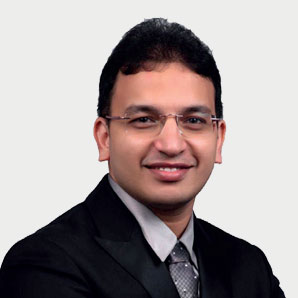
Dr. Arshad M Razi
Consultant ENT, Head & Neck Surgeon
MBBS, MS (ENT), Fellow in Head & Neck Surgical Oncology
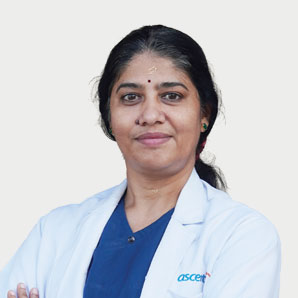
Dr. Deepthi. N.V
Senior Consultant ENT, Head & Neck Surgeon
MBBS, DNB (ENT)
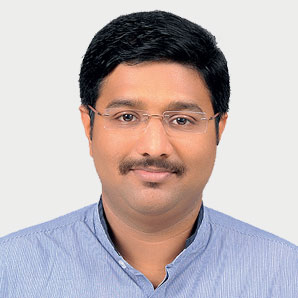
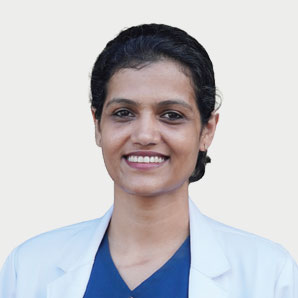
Dr. K Shilpa Nair
ENT Surgeon | Cochlear Implant & Sleep Surgery Specialist
MBBS, MS, DNB, MRCS(Eng), Post doctoral Fellowship in Implantation Otology

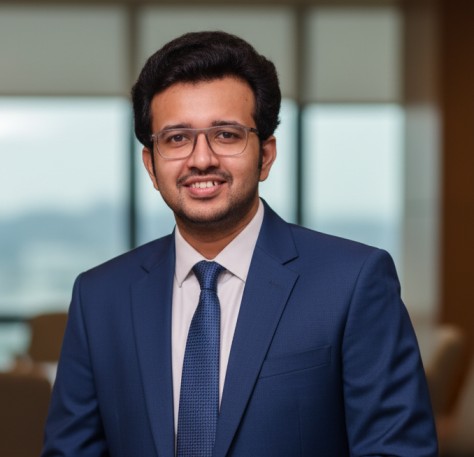
Dr. Nibi Shajahan
Consultant ENT, Head & Neck Surgeon
MBBS, MS (ENT), Fellowship in Snoring and Sleep apnea Surgeries (Singapore). Trained in Allergy and Immunotherapy




Dr.Anand Krishnan
Consultant ENT, Head and Neck Surgeon
MBBS ,DLO ,DNB ENT ,MRCS (ENGLAND)


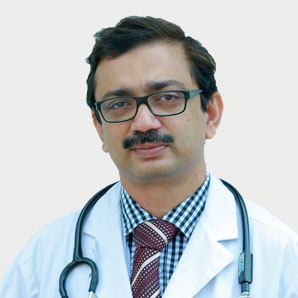
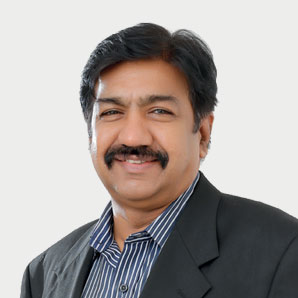
Dr. Seshadri Ganesh. A.L
Senior Consultant Anaesthesiologist
MBBS, DCH, MD, DIP.N.B
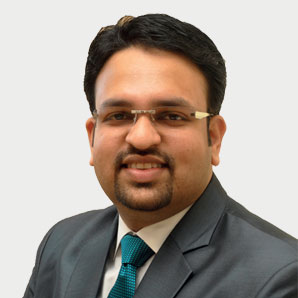
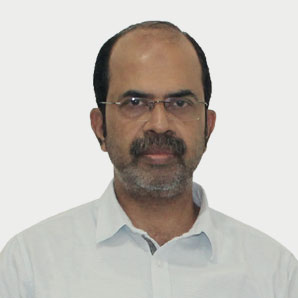


Mr. Prasanth. N.P
Senior Audiologist & Speech Language Pathologist
BASLP, MASLP, MSc (Psy)

Ms. Chinju Johny
Audiologist & Speech Language Pathologist
BASLP, MSc (Audiology)



Our Patient Stories
View All Testimonials