Blogs
What to Do with an Infected Ear Piercing?
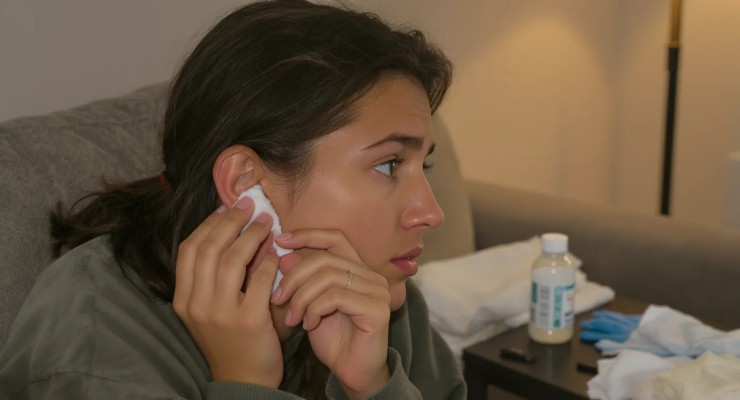
A fresh ear piercing is meant to be a fun form of self-expression. But if bacteria sneak in, even a tiny pinhole in the earlobe can turn painful. The ENT surgeon at Ascent ENT Hospital Kerala faces the patients every week who ask the same urgent question, what to do with an infected ear piercing? And the answer is acting quickly makes the difference between a minor setback and a serious ear infection that threatens hearing or creates scarring. This blog explains exactly what to do with an infected ear piercing, when to seek expert help and how to prevent future flare-ups.
How to Recognise an Infected Piercing
Understanding the early warning signs helps you to decide what to do with an infected ear piercing before it worsens.
-
Redness that spreads beyond the piercing hole
-
Swelling or throbbing pain after the first 48 hours
-
Thick yellow or green discharge
-
Heat or warmth over the earlobe or cartilage
-
Fever or swollen neck glands in severe cases
If two or more of these symptoms pointed above appear together, it is time to move from watchful waiting to active treatment options. You should visit an ENT clinic in Kerala for proper care of your infected ear piercing so that the infection doesn't spread or worsen.
First-Aid Steps You Can Do at Home
People often search what to do with an infected ear piercing late at night when clinics are closed. The following first-aid routine can halt mild infections:
-
Wash your hands with soap and warm water for 20 seconds.
-
Clean the site twice daily using sterile saline or a pharmacy saline wound spray to avoid alcohol or hydrogen peroxide that can delay healing.
-
Leave the jewellery in place so the hole stays open and any discharge can drain.
-
Apply a warm compress (a clean cloth soaked in hot saltwater) for 5-10 minutes to improve blood flow and reduce swelling.
-
Use an over the counter antibiotic ointment around, not inside the hole if recommended by a pharmacist.
Comparison of Home Care Vs Professional Care
| Situation | Home Care Only | Visit an ENT specialist |
|---|---|---|
| Redness without pus | Clean with saline twice a day | Not required yet |
| Persistent swelling after 48 hrs | Warm compress and OTC pain relief | Recommended |
| Thick green discharge | Temporary cleaning | See an ENT Doctor within 24 hrs |
| Fever or spreading redness | _ | Emergency visit to ENT doctor |
Knowing this table can help you decide what to do with an infected ear piercing at each stage.
When to See an ENT Specialist
Even perfect home hygiene cannot cure every ear-piercing infection. Book an appointment with an ENT specialist if you notice any of the following symptoms:
-
Infection that worsens after 48 hours of home care
-
Pain radiating into the jaw, neck or head
-
Piercings through cartilage (upper ear) becoming red or misshapen
-
Development of a bump or keloid scar
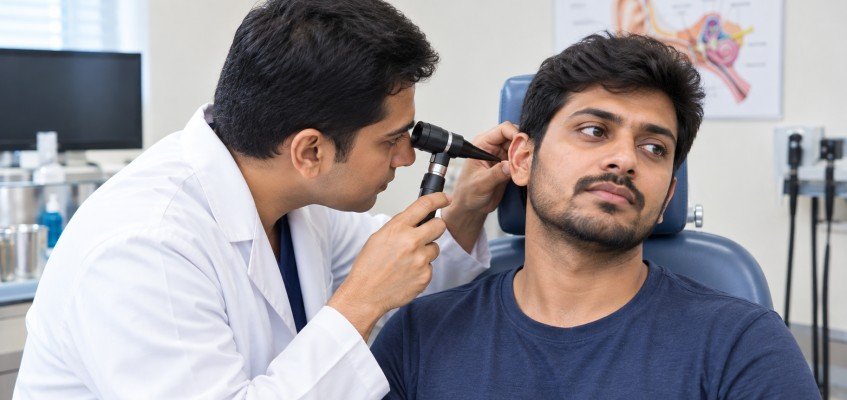
The ENT surgeons at Ascent Hospital use high resolution otoscopic cameras and when needed ultrasound to see how deep the infection runs. Intravenous antibiotics, drainage or minor surgical cleaning performed by our best ear surgeon in Kerala can quickly control severe cases.
Medical Treatments You Can Expect
Still wondering what to do with an infected ear piercing once you arrive at the hospital? A typical plan includes:
-
Culture swab to identify the bacteria
-
Prescription oral antibiotics targeting Staphylococcus or Pseudomonas
-
Professional cleaning with sterile instruments
-
Pain management using NSAIDs or rarely mild opioids
-
Follow-up review in 48-72 hours to ensure improvement
Choosing the best ENT surgeon in Kerala means faster healing and lower risk of complications such as cartilage collapse or permanent ear deformity.
Prevention: Keep the Next Piercing Problem Free
After you master what to do with an infected ear piercing, focus on prevention so history does not repeat itself.
-
Book an appointment with one of our ENT Surgeons for sterile and safe ear piercing.
-
Opt for hypoallergenic jewellery such as surgical stainless steel or titanium.
-
Clean twice daily with sterile saline for the first four weeks.
-
Avoid swimming pools and hot tubs until full healing.
-
Sleep on a clean pillowcase and avoid pressure on the new piercing.
-
Know the risk of getting your ears pierced by reading our detailed guide to the risk of getting your ears pierced.
If you have chronic ear conditions, hearing loss or balance issues, consult our ENT team before any new piercing. Some patients with implanted hearing devices require special precautions.
Key Takeaways and Next Steps
Learning what to do with an infected ear piercing comes down to three pillars. Recognise signs early, follow strict home care and seek expert help at the right moment. Mild redness often settles with saline cleanses. But discharge, fever or cartilage involvement require medical attention from an ENT Doctor. As Kerala’s first ISO and NABH-accredited ENT centre, Ascent Hospital Kerala offers 24 hrs emergency care, advanced imaging and experienced surgeons dedicated to protecting your ear health.
Ready to feel better? Book an appointment with the best ENT hospital in Kerala and discover why patients across India and the UAE trust Ascent for safe and modern ear treatments.
Share

Our Professionals
 (1) (2).png)
Dr. Sharafudheen. P.K
Chief Consultant ENT & Cochlear Implant Surgeon
MBBS, MS (ENT), DORL DOHNS - RCS Ed (UK)
 (2).jpg)
Dr. Anuradha Varma. M.R
Senior Consultant ENT, Head & Neck Surgeon
MBBS, DLO
.jpeg)
Dr. Bijiraj Vathwam Veettil
Senior Consultant ENT Head & Neck, Sleep Surgeon
MBBS, MS (ENT), Fellowship in Snoring and Sleep apnea Surgeries (Singapore), Fellowship in sinus and skull base surgery
.png)
Dr. Prasanth Parameswaran
Senior Consultant ENT, Head & Neck Surgeon
MBBS, DLO, DNB (ENT), MNAMS, AASC (Specialist - Allergy and Immunotherapy), Fellowship in Snoring and Sleep apnea Surgeries (Singapore).

Dr. Arshad M Razi
Consultant ENT, Head & Neck Surgeon
MBBS, MS (ENT), Fellow in Head & Neck Surgical Oncology

Dr. Deepthi. N.V
Senior Consultant ENT, Head & Neck Surgeon
MBBS, DNB (ENT)


Dr. K Shilpa Nair
ENT Surgeon | Cochlear Implant & Sleep Surgery Specialist
MBBS, MS, DNB, MRCS(Eng), Post doctoral Fellowship in Implantation Otology


Dr. Nibi Shajahan
Consultant ENT, Head & Neck Surgeon
MBBS, MS (ENT), Fellowship in Snoring and Sleep apnea Surgeries (Singapore). Trained in Allergy and Immunotherapy




Dr.Anand Krishnan
Consultant ENT, Head and Neck Surgeon
MBBS ,DLO ,DNB ENT ,MRCS (ENGLAND)




Dr. Seshadri Ganesh. A.L
Senior Consultant Anaesthesiologist
MBBS, DCH, MD, DIP.N.B




Mr. Prasanth. N.P
Senior Audiologist & Speech Language Pathologist
BASLP, MASLP, MSc (Psy)

Ms. Chinju Johny
Audiologist & Speech Language Pathologist
BASLP, MSc (Audiology)



Our Patient Stories
View All Testimonials