Blogs
What to Do If an Insect Goes in Ear
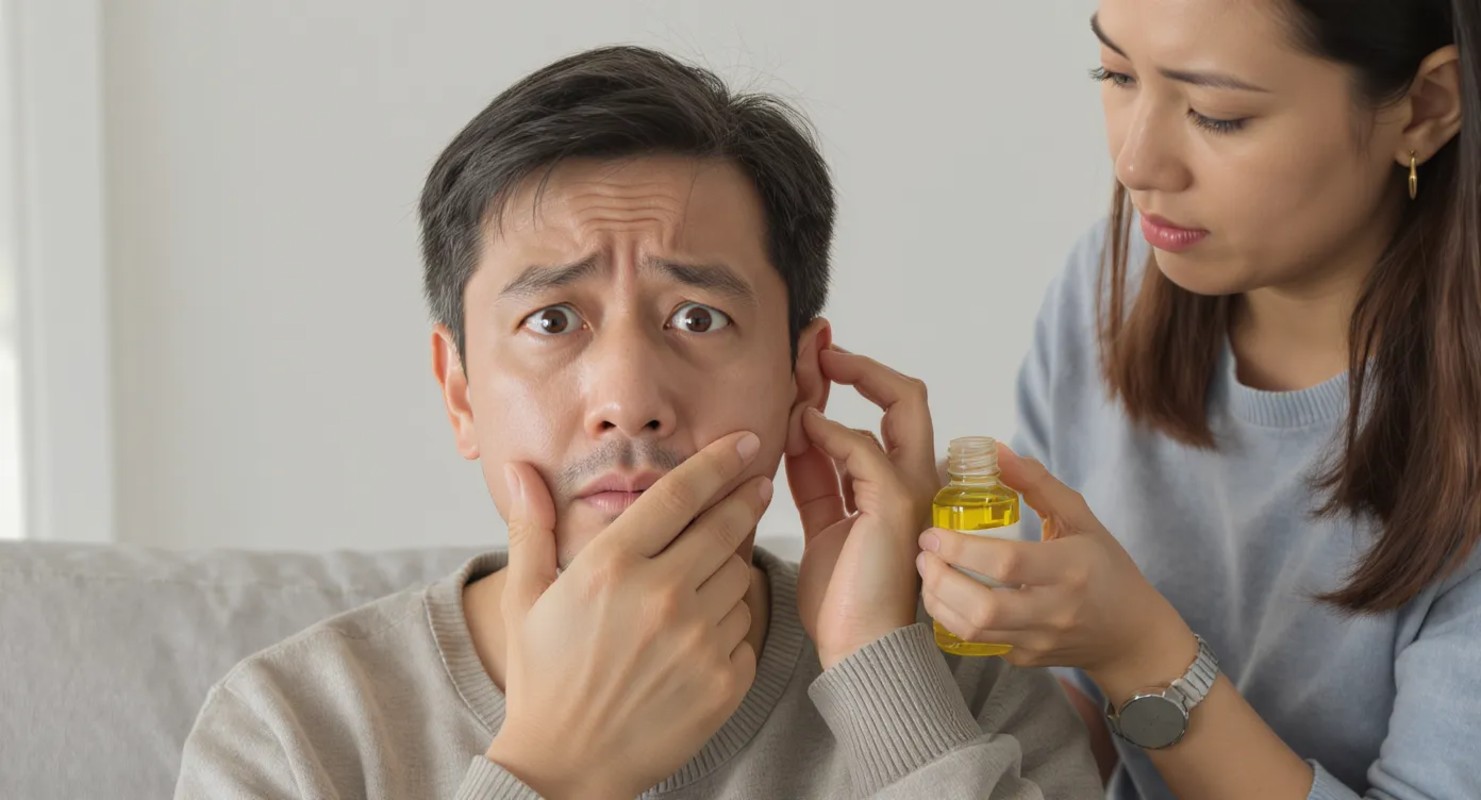
Few emergencies feel as unsettling as a buzzing, crawling sensation deep inside your ear canal. Although it is surprisingly common in tropical states like Kerala, most people are unsure what to do if insect goes in ear. Acting quickly, yet safely, prevents pain, hearing loss or injury to the eardrum. This blog explains step by step home care, what to avoid and when to see an ENT specialist at the best ENT Hospital in Kerala.
Why Do Insects Enter the Ear?
-
Warmth and darkness attract moths, ants, cockroaches and flies.
-
Nighttime camping or sleeping on the floor increases risk.
-
Perfumed hair products can lure small bugs.
While the situation is alarming, over 90 percent of cases resolve without permanent damage when managed properly.
First Things First: Stay Calm
Panic often leads to rash actions that push the insect deeper. Sit upright, breathe slowly and remember the ear is a sturdy organ. Once you collect yourself, follow these evidence-based steps.
Immediate Home Steps
1. Tilt and Shake Gently
• Lean the affected ear downward.
• Hop on one foot or tap the head slowly.
• Gravity may allow the creature to crawl or fall out.
2. Illuminate the Exit
Many bugs are phototactic. Ask somebody to shine a torch near the ear while you stay still. Often the insect will move toward the light and out of the canal. This simple trick is the least invasive answer to what to do if insect goes in ear.
3. Immobilize With Warm Oil
If tilting fails and the bug is still moving, pour a few drops of sterile, body-temperature vegetable or olive oil into the ear. Oil suffocates and floats the insect, reducing scratching on the canal walls.
Important rules:
-
Oil must be warm, never hot.
-
Do not use if you suspect a torn eardrum, recent ear surgery or chronic ear infection.
4. Try Lukewarm Water Irrigation
Fill a bulb syringe with clean, lukewarm water. Over a sink, gently squirt water along the ear canal’s upper wall. Many patients searching what to do if insect goes in ear find irrigation effective after oil treatment.
What NOT to Do if Insect Goes in Ear
Knowing what to avoid is as critical as knowing what to do. Repeated reminders should keep secondary keywords visible.
| Unsafe Action | Why to Avoid |
|---|---|
| Using cotton buds, hairpins or pens | Pushes insect and debris deeper, risks perforation |
| Pouring alcohol or harsh chemicals | Irritates skin, causes swelling and stinging |
| Lighting matchsticks near ear | Fire hazard, burns hair and skin |
| Ignoring persistent pain | May indicate lodged body parts, infection or ruptured drum |
Following these precautions answers a significant part of what to avoid if an insect goes in ear.
When to See an ENT Specialist
Home measures fail in roughly 20 percent of cases. Visit an ENT clinic in Kerala immediately if:
-
Severe pain, bleeding or fluid discharge occurs.
-
Hearing is muffled after removal attempts.
-
The patient is a small child who cannot cooperate.
-
You observe a spiny, barbed insect like a cockroach leg jammed inside.
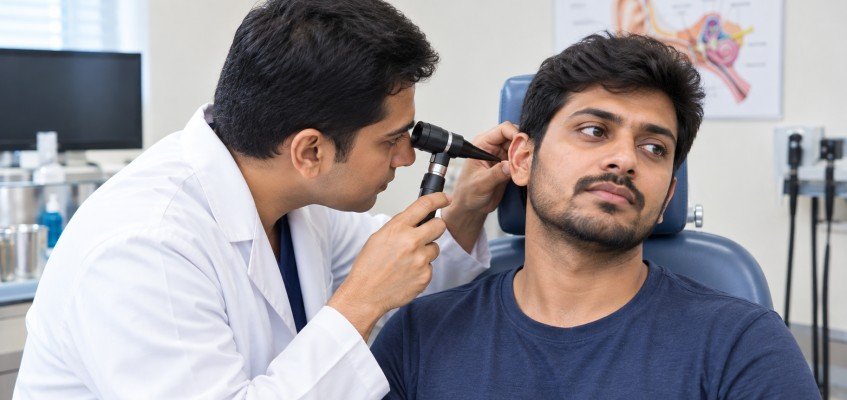
At Ascent Hospital Perinthalmanna our 24 hours emergency unit has microscopes, suction devices and expert ENT surgeons trained for delicate foreign-body extraction. We also offer convenient branches at Ascent Hospital Calicut and Ascent Hospital Palakkad so specialized care is never far away.
How ENT Specialists Remove Insects
| Treatment Step | Description | Performed at Ascent Hospital? |
|---|---|---|
| Otoscopic Examination | Identifies insect type, drum condition | Yes |
| Topical Anesthetic | Numbs canal, calms patient | Yes |
| Micro-Suction | Vacuum device gently removes debris | Yes |
| Alligator Forceps | Grabs insect when intact | Yes |
| Post-Removal Antibiotic Drops | Prevents secondary infection | Yes |
Our accreditation by NABH and ISO ensures each step meets global safety standards. If hearing damage is suspected, the audiology department can schedule advanced tests or discuss solutions like digital hearing aids and, for complex sensorineural loss, referral to our Cochlear implantation hospital Kerala.
Preventing Future Incidents
-
Sleep with windows screened or closed, especially during monsoon.
-
Use gentle ear plugs while camping.
-
Keep bedside lights off to discourage nighttime flyers.
-
Avoid perfumed hair sprays before outdoor evenings.
Knowing prevention reduces repeat emergencies.
Frequently Asked Questions
Key Takeaways
-
Stay calm and rely on gravity, light and warm oil as first aid.
-
Never poke the ear or use chemicals. Knowing what to avoid protects the delicate canal.
-
Persistent discomfort means it is time to see the Best ENT Clinic in Kerala.
-
Ascent Hospital’s round-the-clock ENT emergency service delivers safe, painless extraction by the best ENT surgeon in Kerala.
Need Expert Help Right Now?
If you or a loved one is still wondering what to do if insect goes in ear after trying these steps, professional care is only a click away. Contact the emergency team at Ascent Hospital Kerala. We will ensure the insect is removed swiftly, safely and with minimal discomfort.
Take action today. Book an ENT appointment and experience world-class care at the Best ENT Hospital in Kerala.
Share

Our Professionals
 (1) (2).png)
Dr. Sharafudheen. P.K
Chief Consultant ENT & Cochlear Implant Surgeon
MBBS, MS (ENT), DORL DOHNS - RCS Ed (UK)
 (2).jpg)
Dr. Anuradha Varma. M.R
Senior Consultant ENT, Head & Neck Surgeon
MBBS, DLO
.jpeg)
Dr. Bijiraj Vathwam Veettil
Senior Consultant ENT Head & Neck, Sleep Surgeon
MBBS, MS (ENT), Fellowship in Snoring and Sleep apnea Surgeries (Singapore), Fellowship in sinus and skull base surgery
.png)
Dr. Prasanth Parameswaran
Senior Consultant ENT, Head & Neck Surgeon
MBBS, DLO, DNB (ENT), MNAMS, AASC (Specialist - Allergy and Immunotherapy), Fellowship in Snoring and Sleep apnea Surgeries (Singapore).

Dr. Arshad M Razi
Consultant ENT, Head & Neck Surgeon
MBBS, MS (ENT), Fellow in Head & Neck Surgical Oncology

Dr. Deepthi. N.V
Senior Consultant ENT, Head & Neck Surgeon
MBBS, DNB (ENT)


Dr. K Shilpa Nair
ENT Surgeon | Cochlear Implant & Sleep Surgery Specialist
MBBS, MS, DNB, MRCS(Eng), Post doctoral Fellowship in Implantation Otology


Dr. Nibi Shajahan
Consultant ENT, Head & Neck Surgeon
MBBS, MS (ENT), Fellowship in Snoring and Sleep apnea Surgeries (Singapore). Trained in Allergy and Immunotherapy




Dr.Anand Krishnan
Consultant ENT, Head and Neck Surgeon
MBBS ,DLO ,DNB ENT ,MRCS (ENGLAND)




Dr. Seshadri Ganesh. A.L
Senior Consultant Anaesthesiologist
MBBS, DCH, MD, DIP.N.B




Mr. Prasanth. N.P
Senior Audiologist & Speech Language Pathologist
BASLP, MASLP, MSc (Psy)

Ms. Chinju Johny
Audiologist & Speech Language Pathologist
BASLP, MSc (Audiology)



Our Patient Stories
View All Testimonials