Blogs
What is Myringotomy? Procedure, Benefits and Recovery Explained

Myringotomy is a small surgical opening made in the eardrum to drain trapped fluid or infection from the middle ear. It helps relieve pressure, improve hearing and reduce repeated ear infections.
Doctors may recommend myringotomy when medicines do not clear middle ear fluid or when infections keep coming back. This article explains the procedure from a patient-friendly angle: when it is needed, how it is done, what benefits to expect and how recovery usually feels. It is especially useful for parents of children with frequent ear infections and adults with blocked ears or pressure problems.
If you are evaluating ear treatment in Kerala, expert diagnosis matters as much as the procedure itself. Ascent Hospital, often searched by patients looking for the best ENT Hospital in Kerala, provides specialised ear, nose, throat, head and neck care with modern ENT facilities.
When is Myringotomy Recommended?
Middle ear fluid can collect behind the eardrum after a cold, allergy, sinus infection or repeated otitis media. This fluid may make sounds feel muffled, create a sense of fullness and increase the risk of more infections.
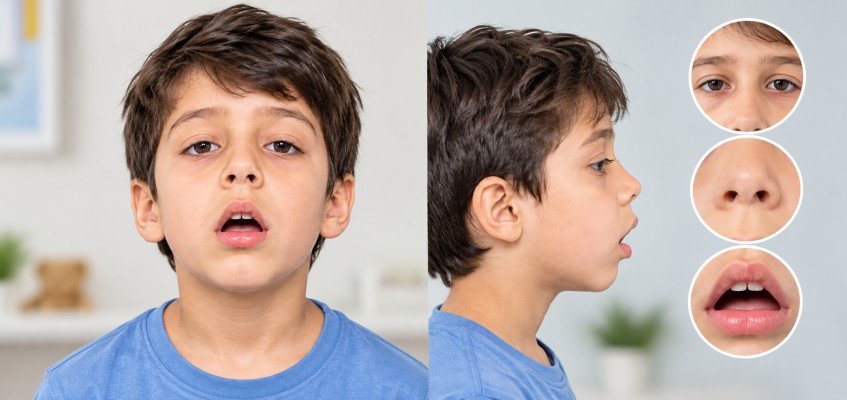
An ENT specialist in Kerala may consider myringotomy in situations such as persistent middle ear fluid, recurrent acute otitis media, eardrum retraction due to poor ventilation, severe ear pressure during flights or complications from infection. In children, it is often considered when fluid affects hearing, speech development, sleep or school performance.
Parents can also read more about childhood ear infection patterns in this guide to Battling Otitis Media in Children. A timely ENT assessment helps decide whether observation, medicines, hearing tests or surgery is the safest next step.
What Happens Before the Procedure?
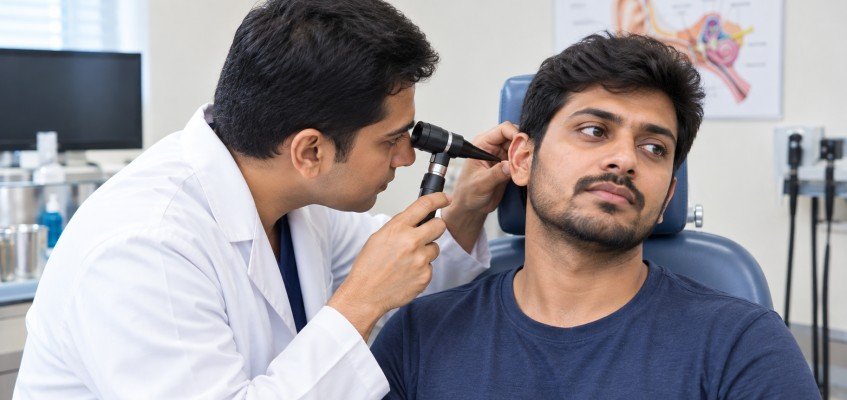
Before myringotomy, the ENT doctor in Kerala checks the eardrum using an otoscope or microscope. The doctor may also advise a hearing test, tympanometry or imaging if the case is complex. These tests help confirm whether the problem is fluid behind the eardrum, eustachian tube dysfunction or another ear condition.
The decision is not based on pain alone. The duration of fluid, number of infections, hearing level, age of the patient and overall health are all considered. At Ascent, patients can consult specialists in Otology and Neurotology for detailed evaluation of ear disorders.
How the Myringotomy Procedure is Performed
During myringotomy, the ENT surgeon makes a tiny cut in the eardrum using fine surgical instruments. The trapped fluid is gently suctioned out. The procedure is usually short and is often done as a day care surgery.
Children commonly receive general anaesthesia so they remain still and comfortable. Adults may sometimes have the procedure under local anaesthesia, depending on the condition and the surgeon’s recommendation. If the ear needs longer ventilation, the doctor may place a small tube called a grommet.
| Step | What it involves | What patients can expect |
|---|---|---|
| Assessment | Ear examination and hearing evaluation | Helps confirm the need for surgery |
| Anaesthesia | General or local anaesthesia based on age and case | Keeps the patient comfortable |
| Fluid drainage | A small opening is made and fluid is removed | Usually takes only a short time |
| Grommet placement | A tiny tube may be inserted if needed | Helps keep the middle ear ventilated |
| Observation | Short monitoring after the procedure | Most patients go home the same day |
Myringotomy and Ear Grommets: Are They the Same?
Myringotomy creates the opening in the eardrum. An ear grommet is a tiny ventilation tube that may be placed in that opening to keep air moving into the middle ear for a longer period.
The opening from a myringotomy without a tube usually heals on its own. When a grommet is placed, it often falls out naturally after several months, though the exact timing varies. Learn more in this detailed Ear Grommets Surgery guide.
Benefits of the Procedure
The main benefit of myringotomy is quick relief from fluid-related pressure and hearing blockage. Many patients notice clearer hearing once the middle ear fluid is removed, though full improvement depends on the cause and duration of the problem.
For children, better hearing can support speech, learning, sleep and behaviour. For adults, it may reduce a blocked sensation, improve day-to-day listening and help with pressure-related discomfort. In recurrent infections, draining fluid can also help the doctor assess the type of infection and choose suitable treatment.
Possible Risks and Side Effects
Like any procedure, myringotomy has possible risks, though serious complications are uncommon when it is performed by trained ENT surgeons. Some patients may have mild ear discomfort, temporary discharge or a small amount of bleeding.
Other possible issues include infection, tube blockage, early tube extrusion, scarring of the eardrum or a tiny hole that does not close on its own. These risks are one reason follow-up is important. Contact your ENT doctor if there is severe pain, fever, dizziness, foul-smelling discharge or sudden hearing worsening.
Recovery After Myringotomy
Recovery after myringotomy is usually straightforward. Most patients can return home the same day and resume light activities soon, often within 24 to 48 hours. Children may be sleepy for a few hours after anaesthesia, then gradually return to normal play.
Your doctor may prescribe ear drops to reduce infection risk or treat existing infection. Use them exactly as advised. Do not put oil, cotton buds or home remedies into the ear unless your ENT doctor recommends it.
Water precautions depend on the surgeon’s advice and whether a grommet was placed. Some patients may be asked to avoid dirty water, deep swimming or forceful water entry into the ear. Follow-up visits help confirm healing, tube position and hearing improvement.
When Ear Drainage is Not Enough
Sometimes hearing concerns are not caused only by middle ear fluid. Inner ear problems, nerve-related hearing loss, chronic ear disease or balance disorders may need a different treatment plan. If hearing loss continues after the ear has healed, further testing is important.
Patients with significant hearing loss may need hearing aids or implant-based solutions. Ascent also provides advanced hearing care including Cochlear Implant Surgery in Kerala for suitable candidates. For broader ENT concerns, patients can explore Ear Nose Throat Head And Neck Surgery services.
Choosing the right ENT Care in Kerala
Ear surgery involves delicate structures, so choosing an experienced ENT centre is important. For people looking for an ENT clinic in Kerala, Ascent ENT Hospital Kerala offers comprehensive ENT specialities, advanced diagnostics, day care ENT surgeries and emergency ENT care.
Ascent Hospital is Kerala’s first ISO and NABH accredited ENT specialty hospital. If you are searching for the best ENT surgeon in Kerala for ear infection, fluid behind the eardrum or hearing-related concerns, an evaluation by an otology specialist can help you make a confident decision.
Final Thoughts
Myringotomy can be a simple and effective solution for selected patients with trapped middle ear fluid, repeated infections, pressure symptoms or hearing blockage. The best results come from accurate diagnosis, careful surgical technique and proper follow-up.
If you or your child has ongoing ear pain, blocked hearing, fluid behind the eardrum or repeated ear infections, do not delay care. Schedule a consultation with Ascent Hospital to meet an ENT specialist and understand the right treatment option for your condition.
Frequently Asked Questions
1. Is myringotomy painful?
The procedure is done under anaesthesia, so patients should not feel pain during surgery. Mild discomfort or fullness may occur afterwards and usually improves quickly.
2. How long does the eardrum take to heal?
If no tube is placed, the small opening often heals within a short period. If a grommet is placed, healing happens after the tube comes out and the eardrum closes.
3. Can adults have this procedure?
Yes. Adults may need it for persistent fluid, pressure problems, eustachian tube dysfunction or selected infection-related concerns.
4. Are ear grommets always required?
No. Some patients only need fluid drainage. Others need a grommet to maintain ventilation and reduce the chance of fluid returning.
5. Will it stop all ear infections permanently?
It can reduce infection frequency in suitable patients, but it may not prevent every future infection. Allergy, sinus issues, adenoids and eustachian tube function may also need attention.
Share

Our Professionals
 (1) (2).png)
Dr. Sharafudheen. P.K
Chief Consultant ENT & Cochlear Implant Surgeon
MBBS, MS (ENT), DORL DOHNS - RCS Ed (UK)
 (2).jpg)
Dr. Anuradha Varma. M.R
Senior Consultant ENT, Head & Neck Surgeon
MBBS, DLO
.jpeg)
Dr. Bijiraj Vathwam Veettil
Senior Consultant ENT Head & Neck, Sleep Surgeon
MBBS, MS (ENT), Fellowship in Snoring and Sleep apnea Surgeries (Singapore), Fellowship in sinus and skull base surgery
.png)
Dr. Prasanth Parameswaran
Senior Consultant ENT, Head & Neck Surgeon
MBBS, DLO, DNB (ENT), MNAMS, AASC (Specialist - Allergy and Immunotherapy), Fellowship in Snoring and Sleep apnea Surgeries (Singapore).

Dr. Arshad M Razi
Consultant ENT, Head & Neck Surgeon
MBBS, MS (ENT), Fellow in Head & Neck Surgical Oncology
Dr. Deepthi. N.V
Senior Consultant ENT, Head & Neck Surgeon
MBBS, DNB (ENT)

Dr. K Shilpa Nair
ENT Surgeon | Cochlear Implant & Sleep Surgery Specialist
MBBS, MS, DNB, MRCS(Eng), Post doctoral Fellowship in Implantation Otology


Dr. Nibi Shajahan
Consultant ENT, Head & Neck Surgeon
MBBS, MS (ENT), Fellowship in Snoring and Sleep apnea Surgeries (Singapore). Trained in Allergy and Immunotherapy




Dr.Anand Krishnan
Consultant ENT, Head and Neck Surgeon
MBBS ,DLO ,DNB ENT ,MRCS (ENGLAND)




Dr. Seshadri Ganesh. A.L
Senior Consultant Anaesthesiologist
MBBS, DCH, MD, DIP.N.B



Mr. Prasanth. N.P
Senior Audiologist & Speech Language Pathologist
BASLP, MASLP, MSc (Psy)

Ms. Chinju Johny
Audiologist & Speech Language Pathologist
BASLP, MSc (Audiology)



Our Patient Stories
View All Testimonials