Blogs
What Are the Symptoms of Nerve Damage in the Ear ?
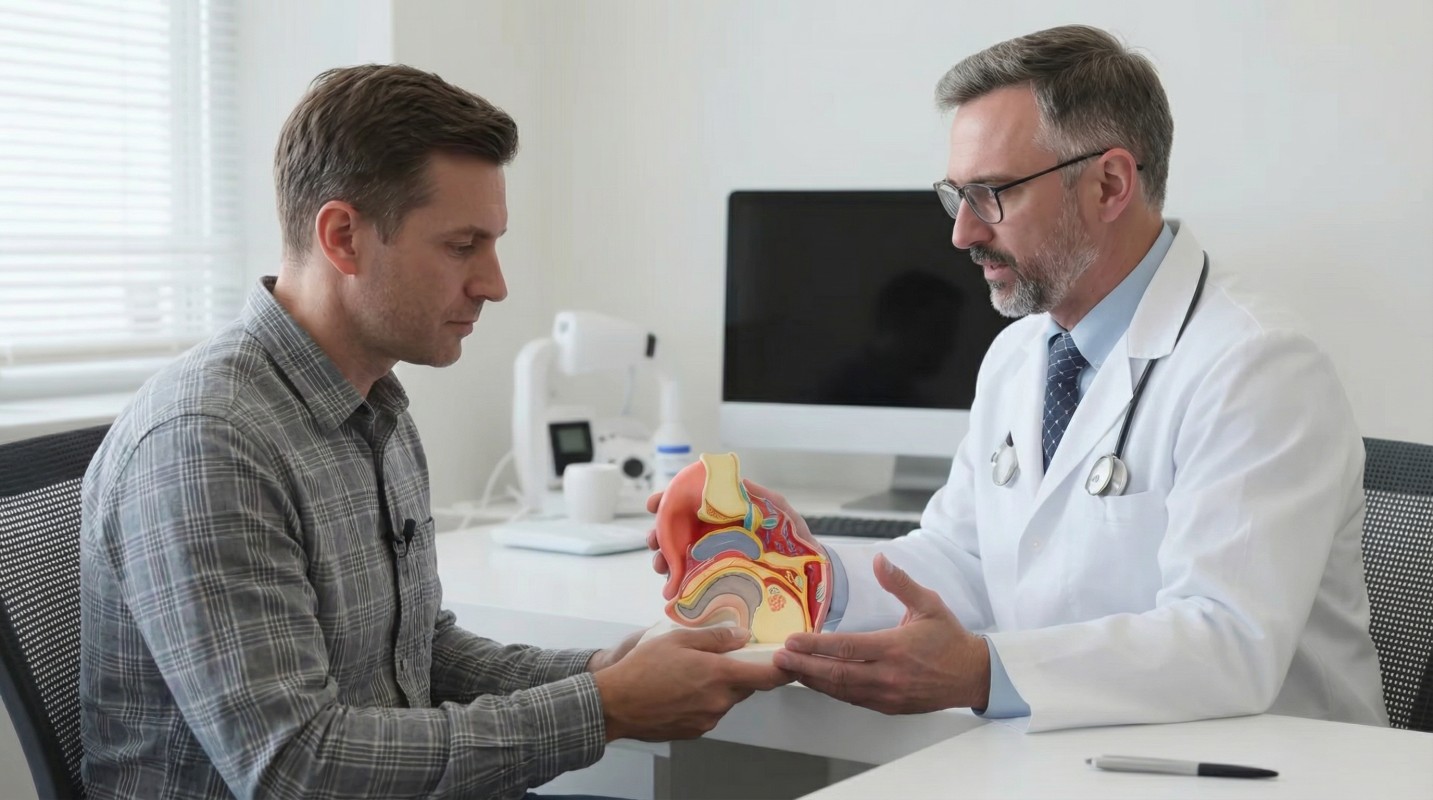
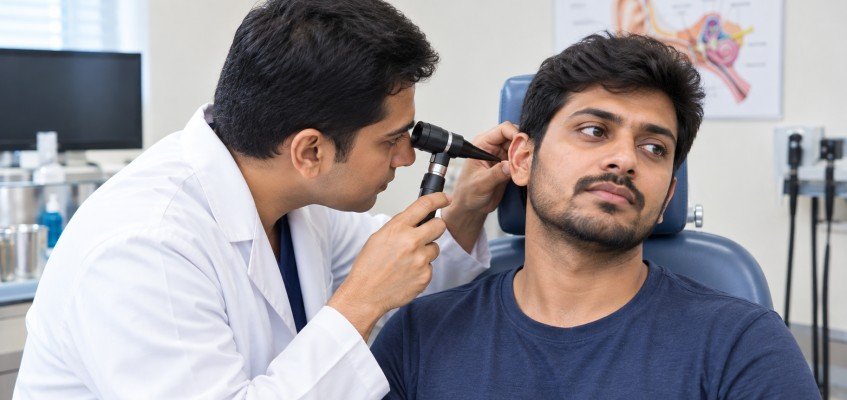
Hearing a persistent ringing, feeling unexplained dizziness or noticing that voices sound strangely muffled can be frightening. Many patients who visit Ascent Hospital arrive asking the same urgent question: What are the symptoms of nerve damage in the ear ? Understanding these warning signs early allows you to seek specialist care before permanent hearing loss sets in. As Kerala’s first ISO and NABH accredited ENT facility, ascent hospital combines cutting-edge diagnostics with world-class surgeons to restore auditory health quickly and safely.
For anyone searching the web for the best ent hospital in Kerala or the best ent doctor in Kerala to investigate sudden auditory changes, this blog explains every facet of ear-nerve disorders in plain language. We will explore the causes, key symptoms, how clinicians diagnose the condition, proven treatment options and essential after care tips.
Patients from across the state rely on our regional centres, such as Ascent Hospital Perunthalmanna Calicut, Ascent Hospital Palakkad campus for the ENT related problems. A consultation with Dr. Sarafudheen, renowned cochlear implant surgeon, can provide clarity on whether what you feel is benign congestion or genuine neural damage. In complex skull-base cases, our Throat Head and Neck unit works hand in hand with audiologists to protect the delicate eighth cranial nerve.
Symptoms of nerve damage in the ear
Nerve-related hearing disorders arise when the cochlear (auditory) nerve or its hair-cell receptors are injured by infection, trauma or age-related wear. Because the nerve supplies both hearing and balance information to the brain, problems can be diverse. Below are hallmark symptoms patients most often report:
| Symptom | Percentage of Ascent Cases (Recent Report) |
|---|---|
| Progressive high-frequency hearing loss | 63% |
| Sudden unilateral deafness | 18% |
| Persistent tinnitus (ringing) | 71% |
| Episodic vertigo or imbalance | 54% |
| Aural fullness or pressure | 46% |
| Sound distortion or “robotic” voices | 39% |
Even one of these findings warrants an ENT evaluation because nerve cells cannot regenerate once fully destroyed.
The major causes of auditory nerve injury
● Viral infections (mumps, measles, herpes zoster oticus)
● Bacterial meningitis or chronic middle ear disease
● Ototoxic medications such as high dose aminoglycosides or chemotherapy agents
● Traumatic head injuries or temporal bone fractures
● Prolonged exposure to industrial noise above 85 dB
● Degenerative conditions including age-related sensorineural decline
Identifying the underlying causes is crucial for determining the right treatment and preventing further complications.
Symptoms checklist you should never ignore
1. Fluctuating sound clarity
Patients describe conversations that fade in and out, or needing to increase TV volume day by day. Because outer-ear blockages produce constant muffling, fluctuation is more suspicious for neural degradation.
2. High-pitched tinnitus
Occasional ringing after a loud concert is common, but a continuous whistle that worsens in quiet rooms signals cochlear hair-cell stress.
3. One-sided dizziness
Labyrinthine nerve fibres sit millimetres from those controlling balance. When one ear’s signals misalign, the brain perceives motion that is not there, creating sudden vertigo bouts.
4. Difficulty locating sound direction
If you struggle to pinpoint where a honk or ringtone originates, interaural timing cues may be lost due to unilateral nerve injury.
What are the symptoms of nerve damage in the ear ? They often overlap, so keeping a journal helps your ENT Specialist correlate events with clinical tests.
How do ENT surgeons diagnose nerve damage in the ear?
A single audiogram is not enough. An evidence-based three-tier work up:
-
Pure-tone audiometry and speech discrimination to quantify frequency-specific drop-outs.
-
Otoacoustic emissions to confirm outer-hair-cell integrity; absent emissions despite normal tympanometry point to neural pathology.
-
Auditory brainstem response (ABR) testing to trace electrical conduction from cochlea to mid-brain. A latency prolongation exceeding 0.3 ms at wave V is highly predictive of demyelination or tumour.
Magnetic resonance imaging may follow if asymmetric loss appears, ruling out vestibular schwannoma. Coupled with blood work for viral titres and autoimmune markers, this protocol yields a 92 % diagnose accuracy rate.Persistent ear numbness, reduced sound clarity, or abnormal pressure sensations are often early signs of auditory nerve involvement, and timely evaluation by the best tympanoplasty surgeon in Kerala can help prevent long-term hearing complications.
Treatment options every patient should know
Pharmacological strategies
Early viral neuritis responds to high-dose oral corticosteroids starting within 72 hours. Antiviral agents like acyclovir may complement when Ramsay Hunt syndrome is suspected.
Hearing preservation surgery
If ABR reveals a small acoustic neuroma, our micro-skull-base team removes the mass while monitoring facial and cochlear nerves with real-time electromyography. This approach preserved useful hearing in many cases.
Cochlear implants and hybrid devices
When neural thresholds fall below 90 dB, amplification alone fails. As a leading Cochlear implantation hospital in Kerala, Ascent offers minimally invasive electrode placement that bypasses the damaged hair cells and directly stimulates surviving fibres. Children implanted before age three achieve language scores comparable to normal-hearing peers by primary school.
In severe cases of nerve damage, where hearing loss progresses despite treatment, symptoms like complete sound distortion or inability to process speech may necessitate intervention by the best cochlear implant surgeon in India
Vestibular rehabilitation
For patients in whom vertigo outweighs deafness, specialised physiotherapy retrains the brain to rely on vision and proprioception, cutting dizzy spells by 60 % after eight weeks of guided sessions.
What are the symptoms of nerve damage in the ear ? dictates which treatment options suit you best, reinforcing why prompt expert evaluation matters.
Chronic dizziness, persistent ringing in the ears, and gradual hearing decline are common symptoms of inner ear nerve damage, and seeking care from the best stapedectomy surgeon in India ensures access to precise surgical solutions and long-term relief
Essential after care to protect remaining hearing
-
Follow your antibiotic or steroid course exactly as prescribed; premature cessation doubles relapse risk.
-
Wear custom-moulded earplugs in noisy workplaces and during flights to reduce barotrauma.
-
Schedule annual audiometry. Our electronic medical record flags any 10 dB shift so action can be taken early.
-
Maintain cardiovascular fitness; recent studies link microvascular disease to accelerated cochlear decline.
Why choose Ascent when you suspect ear-nerve damage?
● First NABH ENT centre in India with ISO 9001:2015 quality protocols
● 24 hour electrophysiology lab for emergency ABR and ECochG
● Certificate -trained neuro-otologists Integrated vertigo clinic delivers quicker diagnosis than stand-alone audiology shops
● Transparent patient education: we provide written summaries so you fully grasp treatment options and after care commitments
Patients who begin intervention within two weeks of the initial symptoms experience 30 % better word-recognition scores compared with those who delay beyond three months.
When nerve damage affects sound transmission, symptoms such as muffled hearing, tinnitus, or balance issues may worsen, making consultation with the best stapedectomy surgeon in Kerala essential for accurate diagnosis and advanced surgical care
Tingling sensations in the ear, distorted hearing, or sensitivity to sound can indicate nerve-related middle ear problems that require expert management from the best ossiculoplasty surgeon in Kerala.
The bigger question revisited: What are the symptoms of nerve damage in the ear ?
They include progressive high-tone loss, persistent tinnitus, unstable balance and difficulty localising sounds. Recognising these red flags and seeking the expertise of an ENT Surgeon swiftly can spare you irreversible deafness.
Key takeaways
● Act on early symptoms. time is nerve tissue.
● Identify causes to halt ongoing damage.
● Comprehensive tests are needed to diagnose accurately.
● Evidence-based treatment options now range from drugs to implants.
● Lifelong after care protects residual hearing.
If any point on this list resonates with your recent experience, consult with the Best ENT clinic. Your hearing and balance are too precious to leave to chance. Ready to safeguard your ears? Book your consultation with Ascent Hospital today. The sooner we meet, the better we can help your world stay rich with sound.
Share


Our Professionals
 (1) (2).png)
Dr. Sharafudheen. P.K
Chief Consultant ENT & Cochlear Implant Surgeon
MBBS, MS (ENT), DORL DOHNS - RCS Ed (UK)
 (2).jpg)
Dr. Anuradha Varma. M.R
Senior Consultant ENT, Head & Neck Surgeon
MBBS, DLO
.jpeg)
Dr. Bijiraj Vathwam Veettil
Senior Consultant ENT Head & Neck, Sleep Surgeon
MBBS, MS (ENT), Fellowship in Snoring and Sleep apnea Surgeries (Singapore), Fellowship in sinus and skull base surgery
.png)
Dr. Prasanth Parameswaran
Senior Consultant ENT, Head & Neck Surgeon
MBBS, DLO, DNB (ENT), MNAMS, AASC (Specialist - Allergy and Immunotherapy), Fellowship in Snoring and Sleep apnea Surgeries (Singapore).
Dr. Arshad M Razi
Consultant ENT, Head & Neck Surgeon
MBBS, MS (ENT), Fellow in Head & Neck Surgical Oncology

Dr. Deepthi. N.V
Senior Consultant ENT, Head & Neck Surgeon
MBBS, DNB (ENT)


Dr. K Shilpa Nair
ENT Surgeon | Cochlear Implant & Sleep Surgery Specialist
MBBS, MS, DNB, MRCS(Eng), Post doctoral Fellowship in Implantation Otology

Dr. Nibi Shajahan
Consultant ENT, Head & Neck Surgeon
MBBS, MS (ENT), Fellowship in Snoring and Sleep apnea Surgeries (Singapore). Trained in Allergy and Immunotherapy




Dr.Anand Krishnan
Consultant ENT, Head and Neck Surgeon
MBBS ,DLO ,DNB ENT ,MRCS (ENGLAND)




Dr. Seshadri Ganesh. A.L
Senior Consultant Anaesthesiologist
MBBS, DCH, MD, DIP.N.B



Mr. Prasanth. N.P
Senior Audiologist & Speech Language Pathologist
BASLP, MASLP, MSc (Psy)

Ms. Chinju Johny
Audiologist & Speech Language Pathologist
BASLP, MSc (Audiology)



Our Patient Stories
View All Testimonials