Blogs
Stage 1 Oral Cancer Symptoms: Early Signs You Should Never Ignore
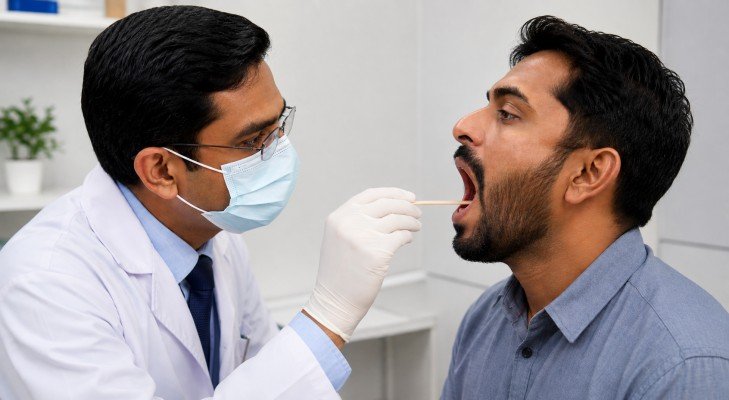
A mouth ulcer that just won't heal. A rough patch on your tongue you keep running your finger over. Most of the time it's nothing. Sometimes it isn't and that's exactly why stage 1 oral cancer symptoms deserve more attention than they usually get.
Oral cancer rarely announces itself loudly in its earliest phase. It shows up as small, easy-to-dismiss changes in the mouth that people brush off as ulcers, irritation from a rough tooth or just "something that will go away." That's the tricky part about stage 1 oral cancer symptoms. They hide in plain sight, disguised as minor problems.
This article looks at what those early signs actually look like, why they get missed so often and what you can do about it, with guidance from the experts at Ascent Hospital, recognized as the best ENT Hospital in Kerala for head and neck concerns. If something in your mouth has felt off for a while, it might also be worth reaching out to an ENT specialist in Kerala rather than waiting it out.
A Quick Introduction of Oral Cancer
Before we get into symptoms, it helps to understand the basics. Oral cancer is a type of cancer that develops in the tissues of the mouth, including the lips, tongue, gums, inner cheeks, roof and floor of the mouth. It usually begins as a small abnormal growth of cells that, left unchecked, can spread to nearby tissue and lymph nodes.
Most cases are linked to tobacco use in any form, heavy alcohol consumption or long-term HPV infection. Sun exposure on the lips plays a role too, something people rarely think about until it's mentioned. The introduction of oral cancer to a patient's life is almost never dramatic. It starts small, often painless and it's precisely this quiet beginning that makes stage 1 oral cancer symptoms so easy to overlook.
Stage 1 Oral Cancer Symptoms: What to Actually Look For
At stage 1, the tumor is small (generally under 2 centimeters) and hasn't spread to lymph nodes yet. This is the stage where treatment works best and survival rates are highest, so catching stage 1 oral cancer symptoms early genuinely changes outcomes.
Here's what tends to show up first:
Persistent Mouth Sores
A sore that hasn't healed in two weeks or more is one of the more reliable stage 1 oral cancer symptoms. Regular ulcers heal on their own. This one just sits there, sometimes getting slightly bigger, sometimes staying the same size but never fully closing.
White or Red Patches
Doctors call these leukoplakia (white) and erythroplakia (red). They can appear on the tongue, gums or inside of the cheeks. Not every patch is dangerous but red patches especially should get checked, they're associated more often with early cancerous changes.
A Lump or Thickening
You might feel a small lump inside your cheek, under your tongue or along your gums. It doesn't have to hurt for it to matter. Painless lumps are actually one of the sneakier stage 1 oral cancer symptoms because there's no urgency signal telling you to act.
Difficulty Chewing or Swallowing
Some people notice food catching in a way it never used to, or a vague discomfort while swallowing that they can't quite locate. It's subtle at first.
Numbness or Loose Teeth
Numbness in part of the mouth or tongue, without any obvious cause, is worth flagging. Similarly, a tooth becoming loose with no gum disease history is unusual enough to mention to a dentist for a proper look.
Voice Changes
If the tumor is near the base of the tongue or throat, voice changes or a persistent hoarseness can appear even in early stages. This overlaps with concerns generally managed under Throat Head and Neck care, since the throat and oral cavity are closely connected.
Symptoms Table: What They Look Like vs What People Mistake Them For
| Stage 1 Oral Cancer Symptom | Commonly Mistaken For |
|---|---|
| Sore lasting 2+ weeks | Canker sore, mouth ulcer from stress |
| White or red patch | Fungal infection, irritation from braces |
| Painless lump inside cheek | Swollen gland, cyst |
| Difficulty swallowing | Acid reflux, throat dryness |
| Numbness in mouth or lip | Nerve strain, cold sore aftermath |
| Persistent hoarseness | Common cold, overuse of voice |
Tables like this one are useful precisely because the symptoms genuinely do overlap with harmless things most of the time. The difference is duration. If any of these linger past two to three weeks, that's the signal to stop guessing.
Why Catching It Early Actually Matters
Cancer staging isn't just a technicality, it directly shapes treatment options. Stage 1 oral cancer is typically treated with surgery alone or surgery combined with limited radiation and outcomes are considerably better compared to later stages where the cancer has spread deeper or to lymph nodes.
This is really the whole point of paying attention to stage 1 oral cancer symptoms rather than waiting for something more obvious to develop. A quick visit to a best ENT doctor in Kerala for an unusual throat sore takes maybe twenty minutes. Ignoring it can mean a much longer road later.
How to Prevent Oral Cancer
Prevention isn't complicated even if it requires some discipline. A few things make a real difference:
-
Avoid tobacco in every form, smoked or chewed
-
Limit alcohol, especially in combination with tobacco use
-
Wear lip balm with SPF if you spend time outdoors
-
Get the HPV vaccine if you're eligible and haven't already
-
Maintain basic oral hygiene, brushing and flossing regularly
-
Get any mouth ulcer checked if it lasts beyond two weeks
None of this guarantees anything, biology doesn't work in guarantees, but it meaningfully lowers risk. If you want a more detailed breakdown on choosing the right specialist for ongoing oral and throat health, this guide on Find the Best Ear Nose and Throat Clinic covers what to look for.
When to See a Doctor
If you notice any combination of the symptoms above lasting more than two weeks, don't wait it out hoping it resolves on its own. A specialist may recommend a biopsy or an imaging scan, and in some cases a direct laryngoscopy to examine the throat more closely. If you're unfamiliar with that procedure, this explainer on What is Direct Laryngoscopy? Procedure, Uses and What to Expect walks through it in plain language.
Final Thoughts
Stage 1 oral cancer symptoms are subtle by nature, small sores, painless lumps, patches that don't quite look right. None of them scream for attention on their own. But paying attention to the ones that linger, rather than assuming they'll pass, is what actually makes early detection possible.
If something in your mouth has felt off for more than two weeks, get it looked at. The team at Ascent ENT hospital Kerala can help you figure out what's going on and take it from there. Do not ignore early warning signs. Schedule your consultation with Ascent Hospital today and take the first step towards protecting your oral health.
Frequently Asked Questions
1. Can stage 1 oral cancer be cured completely?
Yes, in most cases. When caught at stage 1, treatment success rates are high and many patients recover fully with surgery or a combination of surgery and radiation.
2. Are stage 1 oral cancer symptoms painful?
Not usually. That's actually part of the problem, most early symptoms are painless, which is why people delay getting checked.
3. How long do symptoms take to appear after exposure to risk factors like tobacco?
It varies widely, sometimes years of exposure before any visible changes show up, which is why regular checkups matter even without symptoms.
4. Should I worry about every mouth ulcer?
No. Most ulcers are harmless and heal within a week or two. Only persistent ones need attention.
5. Is a biopsy the only way to confirm oral cancer?
It's the most reliable way. Other tools like imaging can support diagnosis but a biopsy gives a definitive answer.
Share



Our Professionals
 (1) (2).png)
Dr. Sharafudheen. P.K
Chief Consultant ENT & Cochlear Implant Surgeon
MBBS, MS (ENT), DORL DOHNS - RCS Ed (UK)
 (2).jpg)
Dr. Anuradha Varma. M.R
Senior Consultant ENT, Head & Neck Surgeon
MBBS, DLO
.jpeg)
Dr. Bijiraj Vathwam Veettil
Senior Consultant ENT Head & Neck, Sleep Surgeon
MBBS, MS (ENT), Fellowship in Snoring and Sleep apnea Surgeries (Singapore), Fellowship in sinus and skull base surgery
.png)
Dr. Prasanth Parameswaran
Senior Consultant ENT, Head & Neck Surgeon
MBBS, DLO, DNB (ENT), MNAMS, AASC (Specialist - Allergy and Immunotherapy), Fellowship in Snoring and Sleep apnea Surgeries (Singapore).

Dr. Arshad M Razi
Consultant ENT, Head & Neck Surgeon
MBBS, MS (ENT), Fellow in Head & Neck Surgical Oncology

Dr. Deepthi. N.V
Senior Consultant ENT, Head & Neck Surgeon
MBBS, DNB (ENT)


Dr. K Shilpa Nair
ENT Surgeon | Cochlear Implant & Sleep Surgery Specialist
MBBS, MS, DNB, MRCS(Eng), Post doctoral Fellowship in Implantation Otology


Dr. Nibi Shajahan
Consultant ENT, Head & Neck Surgeon
MBBS, MS (ENT), Fellowship in Snoring and Sleep apnea Surgeries (Singapore). Trained in Allergy and Immunotherapy




Dr.Anand Krishnan
Consultant ENT, Head and Neck Surgeon
MBBS ,DLO ,DNB ENT ,MRCS (ENGLAND)




Dr. Seshadri Ganesh. A.L
Senior Consultant Anaesthesiologist
MBBS, DCH, MD, DIP.N.B




Mr. Prasanth. N.P
Senior Audiologist & Speech Language Pathologist
BASLP, MASLP, MSc (Psy)

Ms. Chinju Johny
Audiologist & Speech Language Pathologist
BASLP, MSc (Audiology)



Our Patient Stories
View All Testimonials