Blogs
What Is Septoturbinoplasty with FESS? Benefits, Procedure & Recovery Explained

Septoturbinoplasty with FESS is a combined nose and sinus surgery that straightens a bent nasal septum, reduces swollen turbinates and opens blocked sinus passages. It is usually recommended when long-term nasal blockage, repeated sinus infections or chronic sinus symptoms do not improve enough with medicines.
In simple terms, septoturbinoplasty with FESS helps air pass better through the nose and helps mucus drain naturally from the sinuses. This article explains the condition-focused angle: who may need it, what happens during surgery, the benefits, the risks and how recovery usually feels. For patients searching for the best ENT Hospital in Kerala, Ascent Hospital offers comprehensive ENT care with advanced diagnostic technology, expert ENT surgeons and day care ENT surgery options when clinically suitable.
This guide explains when septoturbinoplasty with FESS may be considered so you can have a more informed discussion with your ENT specialist.
What conditions does the combined procedure treat?
The nose and sinuses work as a connected system. If the septum is deviated, the turbinates are enlarged or the sinus drainage pathways are blocked, symptoms can overlap and become persistent.
An ENT specialist may advise septoturbinoplasty with FESS for patients with problems such as:
-
Long-standing nasal blockage on one or both sides
-
Chronic sinusitis lasting 12 weeks or longer
-
Recurrent acute sinus infections
-
Facial pressure, headache and thick nasal discharge related to sinus disease
-
Mouth breathing, snoring or disturbed sleep caused by nasal obstruction
-
Poor response to nasal sprays, allergy treatment or repeated antibiotics
How the three parts of surgery work together
The procedure is a combination of three functional corrections. Each part targets a different reason for blocked breathing or poor sinus drainage.
Components of Septoturbinoplasty with FESS
| Surgical component | What it corrects | Why it matters |
|---|---|---|
| Septoplasty | A deviated or bent nasal septum | Creates a straighter central nasal passage for better airflow |
| Turbinoplasty | Enlarged turbinates inside the nose | Reduces internal swelling while preserving the turbinates' role in warming and filtering air |
| FESS | Blocked sinus openings | Uses an endoscope to open natural drainage pathways and clear diseased tissue when needed |
FESS stands for Functional Endoscopic Sinus Surgery. It is performed through the nostrils using an endoscope, so external cuts are usually not required for the sinus part of the operation.
Key benefits of septoturbinoplasty with FESS
The main benefit is that the surgery addresses multiple causes of obstruction in one planned treatment. If only the septum is corrected but the sinuses remain blocked, symptoms may continue. If only the sinuses are treated but a severe septal deviation blocks access or airflow, the result may also be limited.
Common benefits can include easier nasal breathing, reduced sinus congestion, better sinus drainage and fewer episodes of infection in suitable patients. Many people also notice improved sleep quality because they can breathe more comfortably through the nose.
Another important benefit is improved access for future nasal care. After swelling settles, nasal sprays and saline rinses may reach the affected areas more effectively. The exact benefit of the combined treatment depends on the patient’s anatomy, CT findings, allergy status and the severity of sinus disease.
How is septoturbinoplasty with FESS performed?
Before surgery
Before septoturbinoplasty with FESS, your ENT surgeon will usually assess your symptoms, medical history and previous response to treatment. A nasal endoscopy may be performed in the clinic to look inside the nose. A CT scan of the paranasal sinuses is often used to map the sinus anatomy and confirm areas of disease.
Your doctor may also discuss allergies, asthma, bleeding history, current medicines and previous nasal surgeries. This planning stage is important because sinus anatomy can vary from person to person.
During surgery
During septoturbinoplasty with FESS, the surgeon works through the nostrils under anaesthesia. The septum is carefully repositioned or trimmed where needed to improve the airway. Enlarged turbinates are reduced using techniques that aim to preserve their natural function.
For the FESS part, the surgeon uses a thin endoscope and fine instruments to open blocked sinus drainage channels. Diseased tissue, polyps or thick mucus may be cleared when present. Nasal splints, packing or absorbable materials may be used depending on the case and the surgeon’s preference.
After surgery
After the procedure, you will be monitored as the anaesthesia wears off. Some patients go home the same day while others may need a short hospital stay based on their condition and the extent of surgery. Your care team will explain medicines, saline rinsing, activity limits and follow-up visits.
Recovery after septoturbinoplasty with FESS
Recovery is usually gradual. It is normal to feel blocked in the first few days because of swelling, crusting or nasal dressings. Breathing often improves as the internal swelling reduces and the nose is cleaned during follow-up visits.
Recovery Timeline After Septoturbinoplasty with FESS
| Recovery period | What you may notice | Care focus |
|---|---|---|
| First 24 to 48 hours | Mild bleeding, stuffiness and tiredness | Rest, head elevation and medicines as advised |
| Days 3 to 7 | Congestion, crusting and reduced smell | Saline rinses if prescribed and avoiding nose blowing |
| Week 1 to 2 | Gradual improvement in airflow | Follow-up cleaning and review with your ENT surgeon |
| Weeks 3 to 6 | Better breathing and less sinus pressure | Returning to routine activities as advised |
| After 6 weeks | Continued healing inside the nose and sinuses | Ongoing allergy or sinus care if needed |
Avoid heavy lifting, smoking, dusty environments and forceful nose blowing during early recovery unless your doctor gives different instructions. Always follow your surgeon’s specific advice because recovery varies according to the extent of surgery and your general health.
Are there risks or side effects?
Like any surgery, this procedure has possible risks. Common short-term effects include nasal blockage, mild bleeding, crusting, facial pressure and temporary change in smell. These usually improve with healing and follow-up care.
Less common risks include infection, persistent bleeding, septal perforation, adhesions inside the nose, continued symptoms or recurrence of sinus disease. Rare FESS-related complications can involve the eye, tear duct, skull base or leakage of cerebrospinal fluid. These risks are uncommon but should be discussed clearly with your ENT surgeon before surgery.
Choosing an experienced ENT team and completing proper pre-surgery imaging helps reduce avoidable risk.
Is it different from rhinoplasty?
Yes. Septoturbinoplasty and FESS are mainly functional procedures. They aim to improve breathing and sinus drainage rather than reshape the outside of the nose.
If your concern also includes nasal appearance, you may need a separate cosmetic or functional nasal reshaping assessment. You can learn more about Rhinoplasty Surgery in Kerala or read this patient-friendly guide on Rhinoplasty Secrets Unveiled.
Why choose specialised ENT care in Kerala?
Nasal blockage and sinus disease can look simple from the outside but may involve detailed anatomy. A specialised ENT centre can provide endoscopy, imaging review, surgical planning and structured follow-up in one care pathway.
Ascent ENT Hospital Kerala is known for comprehensive ear, nose, throat, head and neck care. Patients near Palakkad can consult the ENT Speciality Hospital in Palakkad, while patients in Malappuram can visit the ENT Speciality Hospital in Perinthalmanna, Malappuram. Ascent also has an international presence in Dubai, supporting patients who need coordinated ENT care across locations.
Conclusion
Septoturbinoplasty with FESS is a carefully planned combined surgery for patients who have both nasal obstruction and sinus drainage problems. It can improve airflow, help the sinuses drain better and reduce repeated sinus symptoms when the right patient is selected.
The most important step is proper evaluation by an ENT specialist. If you are dealing with chronic nasal blockage, recurrent sinus infections or breathing difficulty that has not improved with medicines, book an appointment with Ascent Hospital.
Ready to take the next step? Schedule a consultation with Ascent Hospital and get personalised guidance from an expert ENT team in Kerala.
Frequently Asked Questions
Is septoturbinoplasty with FESS painful?
Most patients do not feel pain during surgery because it is done under anaesthesia. After surgery, discomfort, pressure and stuffiness are more common than severe pain and are usually managed with prescribed medicines.
How long does septoturbinoplasty with FESS take?
The duration depends on the severity of septal deviation, turbinate enlargement and sinus disease. Your surgeon can give a more accurate estimate after nasal endoscopy and CT scan review.
Can septoturbinoplasty with FESS change the shape of my nose?
It is not designed to change the external shape of the nose. If cosmetic change is needed, your ENT surgeon may discuss rhinoplasty or septorhinoplasty separately.
When can I return to work?
Many patients return to non-strenuous work within about a week, but this varies. Jobs involving dust, travel, physical strain or heavy lifting may need a longer break.
Will sinusitis come back after surgery?
Surgery can improve drainage and reduce symptoms in suitable patients, but allergy, asthma, pollution exposure or chronic inflammation may still need ongoing medical care.
Share


Our Professionals
 (1) (2).png)
Dr. Sharafudheen. P.K
Chief Consultant ENT & Cochlear Implant Surgeon
MBBS, MS (ENT), DORL DOHNS - RCS Ed (UK)
 (2).jpg)
Dr. Anuradha Varma. M.R
Senior Consultant ENT, Head & Neck Surgeon
MBBS, DLO
.jpeg)
Dr. Bijiraj Vathwam Veettil
Senior Consultant ENT Head & Neck, Sleep Surgeon
MBBS, MS (ENT), Fellowship in Snoring and Sleep apnea Surgeries (Singapore), Fellowship in sinus and skull base surgery
.png)
Dr. Prasanth Parameswaran
Senior Consultant ENT, Head & Neck Surgeon
MBBS, DLO, DNB (ENT), MNAMS, AASC (Specialist - Allergy and Immunotherapy), Fellowship in Snoring and Sleep apnea Surgeries (Singapore).
Dr. Arshad M Razi
Consultant ENT, Head & Neck Surgeon
MBBS, MS (ENT), Fellow in Head & Neck Surgical Oncology
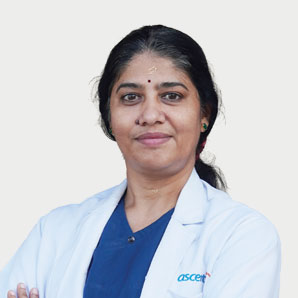
Dr. Deepthi. N.V
Senior Consultant ENT, Head & Neck Surgeon
MBBS, DNB (ENT)

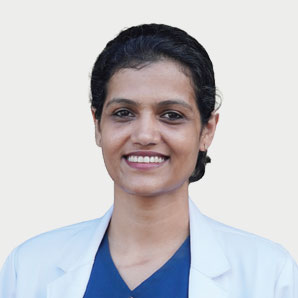
Dr. K Shilpa Nair
ENT Surgeon | Cochlear Implant & Sleep Surgery Specialist
MBBS, MS, DNB, MRCS(Eng), Post doctoral Fellowship in Implantation Otology


Dr. Nibi Shajahan
Consultant ENT, Head & Neck Surgeon
MBBS, MS (ENT), Fellowship in Snoring and Sleep apnea Surgeries (Singapore). Trained in Allergy and Immunotherapy


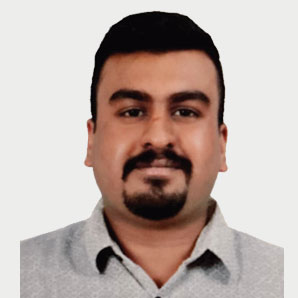

Dr.Anand Krishnan
Consultant ENT, Head and Neck Surgeon
MBBS ,DLO ,DNB ENT ,MRCS (ENGLAND)


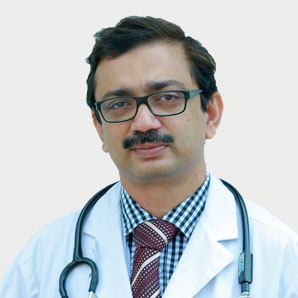
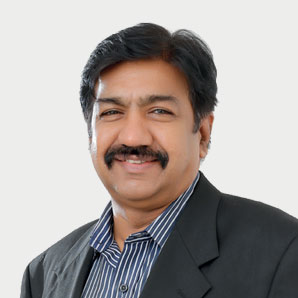
Dr. Seshadri Ganesh. A.L
Senior Consultant Anaesthesiologist
MBBS, DCH, MD, DIP.N.B
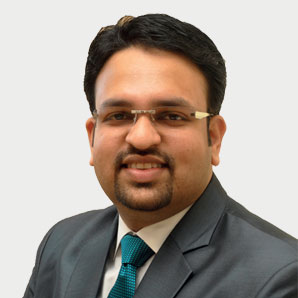
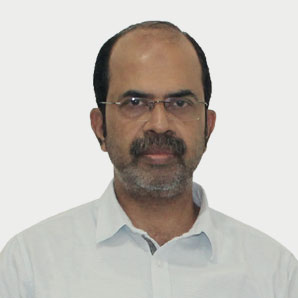
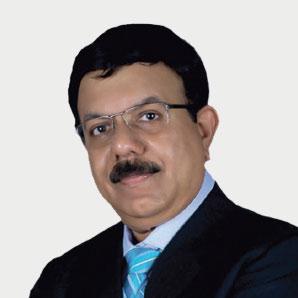

Mr. Prasanth. N.P
Senior Audiologist & Speech Language Pathologist
BASLP, MASLP, MSc (Psy)

Ms. Chinju Johny
Audiologist & Speech Language Pathologist
BASLP, MSc (Audiology)



Our Patient Stories
View All Testimonials