Blogs
Mastoid Osteoma: What It Is, Why It Occurs and How to Treat It
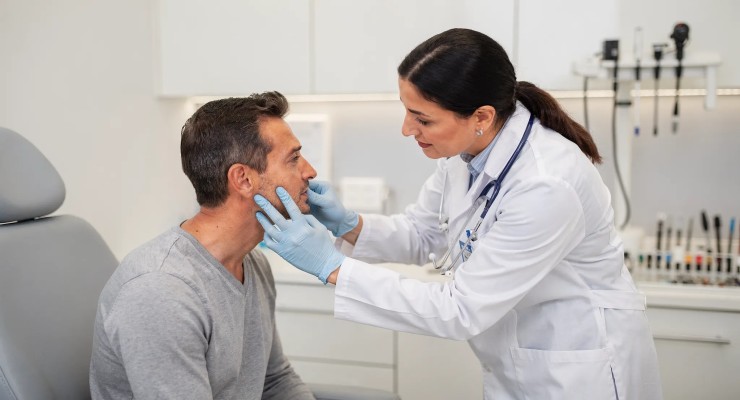
A mastoid osteoma is a rare benign bony growth on the mastoid bone just behind your ear. It grows slowly, is usually painless and is often noticed as a hard lump.
Although a mastoid osteoma is non cancerous it can sometimes cause cosmetic concern ear canal narrowing or pressure around the ear. People in Kerala often visit us worried about the diagnosis and whether surgery is necessary. This guide explains mastoid osteoma from a patient friendly perspective and how ear surgeons at Ascent ENT Hospital Kerala approach evaluation and treatment.
-
What a mastoid osteoma looks like and common symptoms
-
Why a mastoid osteoma may form and when it needs attention
-
How doctors diagnose and treat a mastoid osteoma with good outcomes
What is a mastoid osteoma and how it behaves
In simple terms a mastoid osteoma is a lump of normal but excess bone. It sits on the outer surface of the mastoid portion of the temporal bone and feels like a smooth fixed bump.
Most people have no pain. When issues occur they are usually cosmetic or related to contact with spectacles helmets or pillows. If the growth extends toward the ear canal it can narrow the passage and lead to muffled hearing or wax build up. If you notice hearing changes consult the best doctor for hearing loss in Kerala for timely testing. If you feel a persistent lump behind your ear, book an appointment at an ENT clinic in Kerala.
Why does a mastoid osteoma occur
The exact cause of mastoid osteoma is unknown. Doctors consider it a sporadic overgrowth of bone without clear links to lifestyle. Rarely it may follow minor trauma. Unlike exostoses which are often linked to frequent cold water exposure osteomas are usually solitary and on one side.
How doctors diagnose mastoid osteoma
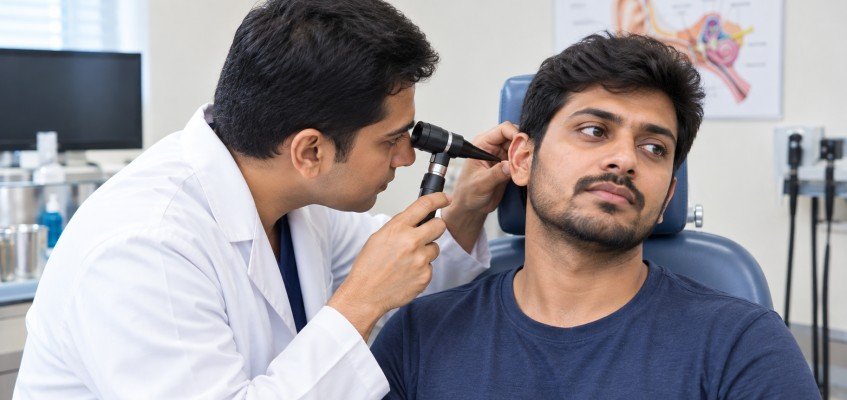
An experienced ENT can often diagnose mastoid osteoma with a careful examination and targeted imaging. Your visit typically includes a history and physical examination otoscopy to inspect the ear canal and eardrum hearing tests if you have symptoms then a high resolution CT scan of the temporal bone to map the bony mass. The CT shows a well defined dense bony lesion with a narrow or broad base which helps plan treatment.
You can access seamless evaluation at Ascent Hospital Calicut, Perinthalmanna or Palakkad where advanced diagnostic imaging and day care ENT surgeries are available.
Treatment options for mastoid osteoma
Not every mastoid osteoma needs surgery. Many small stable lesions cause no trouble and can simply be observed with periodic review. Your ENT will recommend removal when symptoms or risks outweigh observation.
Common reasons to consider surgery include cosmetic concern, persistent pain irritation from headgear, ear canal narrowing with conductive hearing loss, recurrent infections, difficulty cleaning the ear or if the lump grows faster than expected.
At Ascent Hospital surgery is typically a day care procedure done through a small incision behind the ear. The surgeon carefully exposes the base of the growth and removes it with precision drilling then smooths the bone. When the ear canal is involved canalplasty may be done to widen and stabilise the passage. Most patients go home the same day and resume routine activity soon after. For complex ear work Ascent is home to the Best Cochlear implant specialist in kerala and the best Stapedectomy surgeon in India which reflects the depth of ear surgery expertise available for even rare conditions.
Watchful waiting or surgery
| Situation | Typical clues | What your ENT may recommend |
|---|---|---|
| Small stable lump, no symptoms | Cosmetic only, no hearing change | Observation with 6 to 12 month review |
| Cosmetic concern or discomfort with glasses or helmets | Visible bump, pressure pain when lying on that side | Day care surgical removal after discussion |
| Ear canal narrowing with muffled hearing or wax trapping | Conductive hearing loss, infections, difficulty cleaning | Removal often with canalplasty to prevent restenosis |
| Rapid growth, irregular margins or persistent pain | Unusual features on examination or CT | Removal and lab analysis to confirm the diagnosis |
If surgery is advised, choose an experienced team. You can consult the best ENT surgeon in Kerala or the Best Ear Specialist in Kerala at Ascent for an individualised plan.
Recovery and outcomes
After mastoid osteoma removal most people return to desk work in a few days and to regular routines in about one to two weeks. Stitches are removed according to your surgeon’s advice and a short course of pain relief is usually enough. The scar hides naturally in the crease behind the ear. Recurrence is uncommon when the base is completely cleared and follow up visits keep you on track.
Why choose Ascent Hospital for your care
Ascent Hospital is Kerala’s first ISO and NABH accredited ENT specialty hospital recognised by many as the best ENT Hospital in Kerala. Patients benefit from:
-
24x7 ENT emergency care and rapid triage
-
Advanced diagnostic imaging for precise planning
-
Day care ENT surgeries with quick recovery pathways
-
A dedicated cochlear implantation centre and digital hearing solutions
-
Balance and vertigo clinic for comprehensive evaluation
If you are comparing options read our guide to find the best ear nose and throat clinic or visit the Best ENT Clinic pages for locations appointments and services. When you need focused ear care our teams in Ascent Hospital Calicut and Ascent Hospital Palakkad are ready to help.
Conclusion and next steps
A mastoid osteoma is a slow growing benign bony lump behind the ear. Most cases are harmless but you should seek an ENT assessment if the lump grows, changes your ear canal shape, causes pain or affects hearing. With accurate diagnosis and a tailored plan outcomes are excellent and recovery is quick.
For expert evaluation and a calm clear treatment plan contact Ascent Hospital today. Ready to book your visit now? Reach our team here and we will guide you from first scan to full recovery.
Frequently asked questions
Is mastoid osteoma cancer?
No it is a benign bone tumour. Removal is done mainly for symptoms, suspicion of another diagnosis or cosmetic reasons.
Can it cause hearing loss?
Yes if it narrows the ear canal you may notice muffled hearing or wax build up. Hearing usually improves after appropriate treatment.
Will a mastoid osteoma go away on its own?
It does not typically shrink on its own. Many remain stable for years and can be safely observed when asymptomatic.
What does the surgery involve?
A small incision behind the ear removes the bony growth smoothing of the bone and discharges the same day in most cases.
How should I prepare for my appointment?
Note when you first notice the lump any change in size, pain hearing symptoms, infections and any previous ear surgery or trauma. Bring prior scans or reports.
Share
Our Professionals
 (1) (2).png)
Dr. Sharafudheen. P.K
Chief Consultant ENT & Cochlear Implant Surgeon
MBBS, MS (ENT), DORL DOHNS - RCS Ed (UK)
 (2).jpg)
Dr. Anuradha Varma. M.R
Senior Consultant ENT, Head & Neck Surgeon
MBBS, DLO
.jpeg)
Dr. Bijiraj Vathwam Veettil
Senior Consultant ENT Head & Neck, Sleep Surgeon
MBBS, MS (ENT), Fellowship in Snoring and Sleep apnea Surgeries (Singapore), Fellowship in sinus and skull base surgery
.png)
Dr. Prasanth Parameswaran
Senior Consultant ENT, Head & Neck Surgeon
MBBS, DLO, DNB (ENT), MNAMS, AASC (Specialist - Allergy and Immunotherapy), Fellowship in Snoring and Sleep apnea Surgeries (Singapore).
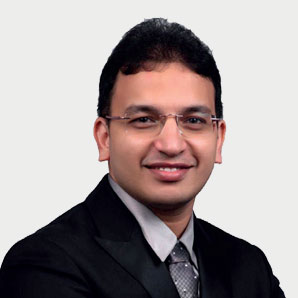
Dr. Arshad M Razi
Consultant ENT, Head & Neck Surgeon
MBBS, MS (ENT), Fellow in Head & Neck Surgical Oncology
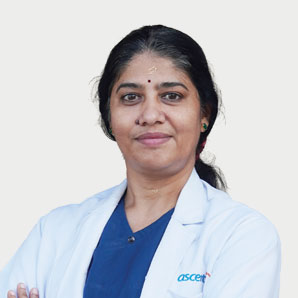
Dr. Deepthi. N.V
Senior Consultant ENT, Head & Neck Surgeon
MBBS, DNB (ENT)
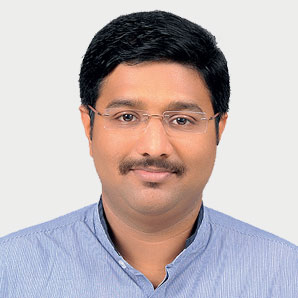
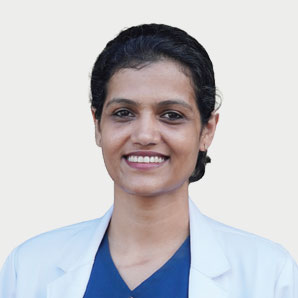
Dr. K Shilpa Nair
ENT Surgeon | Cochlear Implant & Sleep Surgery Specialist
MBBS, MS, DNB, MRCS(Eng), Post doctoral Fellowship in Implantation Otology


Dr. Nibi Shajahan
Consultant ENT, Head & Neck Surgeon
MBBS, MS (ENT), Fellowship in Snoring and Sleep apnea Surgeries (Singapore). Trained in Allergy and Immunotherapy
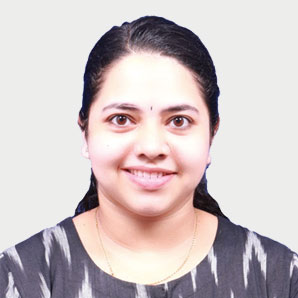



Dr.Anand Krishnan
Consultant ENT, Head and Neck Surgeon
MBBS ,DLO ,DNB ENT ,MRCS (ENGLAND)


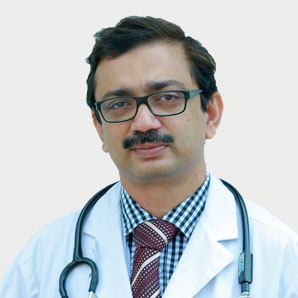
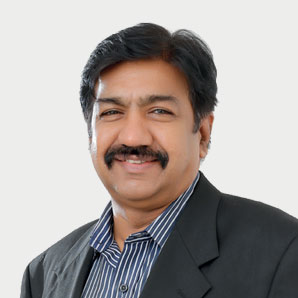
Dr. Seshadri Ganesh. A.L
Senior Consultant Anaesthesiologist
MBBS, DCH, MD, DIP.N.B
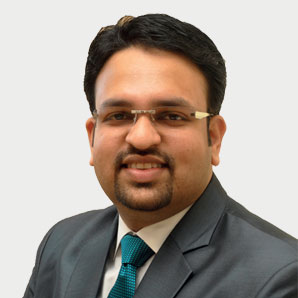


Mr. Prasanth. N.P
Senior Audiologist & Speech Language Pathologist
BASLP, MASLP, MSc (Psy)

Ms. Chinju Johny
Audiologist & Speech Language Pathologist
BASLP, MSc (Audiology)



Our Patient Stories
View All Testimonials