Blogs
High Frequency Hearing Loss: Why It Happens and What You Can Do About It

Trying to follow a conversation but missing the s, f or th sounds can be frustrating. These consonants live in the upper end of the hearing range, so when they fade, people often blame others for mumbling. In reality, the problem is usually high frequency hearing loss. This form of hearing loss affects the ability to detect sounds above 2,000 Hz and is one of the most common auditory complaints seen at Ascent ENT Hospital, the best ENT hospital in Kerala.
Understanding High Frequency Hearing Loss
High frequency hearing loss happens when the delicate hair cells in the inner ear that respond to high-pitched sounds become damaged. The result is clear: vowels may still be audible, but speech clarity drops sharply. The condition can appear at any age, although it is most prevalent after 50.
| Frequency Range | Everyday Sounds Affected | Possible Impact |
|---|---|---|
| 2,000–4,000 Hz | Women’s and children’s voices, birdsong | Speech sounds unclear |
| 4,000–6,000 Hz | Alarm beeps, phone rings, consonants (s, f, k) | Mishearing warnings |
| 6,000–8,000 Hz | Rustling leaves, certain music notes | Loss of environmental ambience |
The table shows how different high frequencies translate to daily listening challenges.
What Are the Causes?
Repeated exposure to loud noise, natural aging, certain medications, and untreated ear infections are the primary causes of high frequency hearing loss. Genetics can also play a part. At Ascent ENT Hospital Kerala our audiologists review a patient’s lifestyle, medical history, and family background to pinpoint the exact causes.
1. Noise-Induced Trauma
Continuous machinery noise, headphone overuse, or sudden blasts damage inner-ear hair cells.
2. Presbycusis (Age-Related Decline)
From the mid-40s onward, hair cells and auditory nerves gradually weaken.
3. Ototoxic Drugs
Some chemotherapy agents, loop diuretics, and high doses of aspirin can harm the inner ear.
4. Chronic Ear Disease
Recurrent infections or untreated fluid in the middle ear compromise sound transmission.
5. Hereditary Factors
Gene mutations linked to inner-ear fragility raise lifetime risk.
Signs and Symptoms You Shouldn’t Ignore
Early symptoms include:
-
Trouble hearing birds, doorbells, or microwave beeps.
-
Asking others to repeat words, especially in noisy places.
-
Higher volume settings on TVs or phones.
-
Ringing in the ears (tinnitus).
-
Perceiving speech as muffled or distant.
Recognizing these symptoms quickly is essential. The longer high frequency hearing loss remains untreated, the harder it becomes to adapt to hearing aids or other treatment.
How Can We Identify It?
Accurate identification starts with a complete ENT evaluation. At Ascent ENT Hospital Kerala we use:
-
Pure-Tone Audiometry: Determines the quietest tones you can hear across frequencies.
-
Otoacoustic Emissions: Verifies the health of outer hair cells.
-
Speech-in-Noise Testing: Measures real-world listening ability.
-
Tympanometry: Checks eardrum and middle-ear movement to rule out other issues.
When to Consult an ENT Specialist
You should consult an ENT when:
-
You notice persistent ringing, buzzing, or missing high-pitched sounds.
-
Family or colleagues comment on your hearing.
-
Ear infections or fluid problems keep returning.
-
You struggle in meetings despite normal conversation volume.
Early consultation with an ENT specialist prevents further deterioration and opens doors to more treatment choices.
Treatment Options at Ascent ENT Hospital
High frequency hearing loss cannot be reversed, but the right treatment restores clarity and quality of life.
1. Digital Hearing Aids
Modern devices target the exact frequencies you miss. Ascent’s audiology team programs open-fit or receiver-in-canal models so lower sounds remain natural while high-pitched speech is amplified.
2. Cochlear Implantation
For severe loss where standard aids fail, a cochlear implant bypasses damaged hair cells and directly stimulates the auditory nerve. As Kerala’s cochlear implantation hospital with ISO and NABH accreditation, Ascent provides candidacy assessment, surgery, and post-operative therapy under one roof. Many patients call our lead surgeon the best cochlear implant surgeon in India because of excellent speech outcomes.
3. Surgical Management of Ear Disease
If chronic infection or ossicular chain damage contributes to high frequency hearing loss, procedures such as tympanoplasty, ossiculoplasty, or stapedectomy may help. Our otologists include the best ear surgeon in Kerala and have performed hundreds of successful operations.
4. Medical Therapy
When ototoxic medicine is the culprit, your ENT works with the prescribing doctor to adjust doses or find safer alternatives.
5. Auditory Rehabilitation
Listening therapy, lip-reading sessions, and smartphone apps retrain the brain to make full use of amplified high sounds.
Living Well With High Frequency Hearing Loss
-
Practice clear-speech strategies: face the speaker, reduce background noise, ask for rephrasing instead of repetition.
-
Use captioning on TVs and video calls.
-
Join a support group at the best ENT clinic for peer tips.
-
Schedule annual assessments to adapt device settings as your hearing profile changes.
Prevention Still Matters
-
Wear earplugs at concerts, construction sites, or when operating power tools.
-
Follow the 60/60 rule for headphones: no more than 60 percent volume for 60 minutes at a stretch.
-
Control chronic illnesses like diabetes and hypertension that accelerate inner-ear aging.
-
Schedule baseline hearing tests by 40 and repeat every two years or sooner if symptoms appear.
How long does a cochlear implant last? The internal electrode array can last decades. External processors are upgraded every few years for better features.
Conclusion
High frequency hearing loss undermines the clarity of daily communication, but modern audiology offers effective solutions. Understanding the causes, spotting early symptoms, and seeking prompt ENT consultation make a decisive difference. Ascent ENT Hospital stands at the forefront of diagnosis and treatment, from advanced digital hearing aids to world-class cochlear implantation.
Ready to hear life’s high notes again? Book an appointment with the experts at Ascent Hospital today.
Frequently Asked Questions
What causes high frequency hearing loss to progress quickly?
Repeated noise exposure and unchecked middle-ear infections can speed up hair-cell damage, so early intervention is critical.
Is tinnitus always linked to high frequency hearing loss?
Not always, but many patients with high frequency damage report ringing because the brain attempts to replace missing sound input.
Can children develop high frequency hearing loss?
Yes, due to genetic factors, congenital infections, or exposure to loud video games and earphones. Pediatric ENT screening is recommended.
Share

Our Professionals
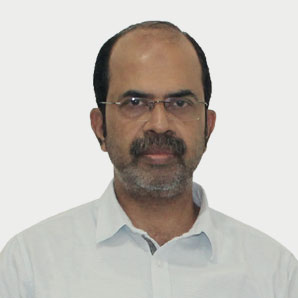
 (1) (2).png)
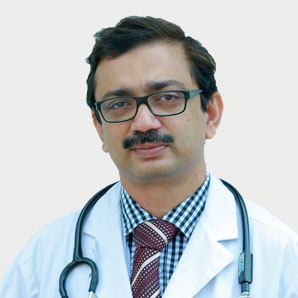
Dr. Sharafudheen. P.K
Chief Consultant ENT & Cochlear Implant Surgeon
MBBS, MS (ENT), DORL DOHNS - RCS Ed (UK)
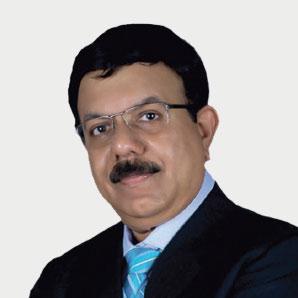
 (2).jpg)
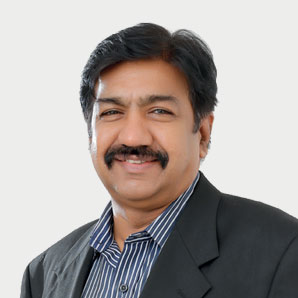
Dr. Anuradha Varma. M.R
Senior Consultant ENT, Head & Neck Surgeon
MBBS, DLO
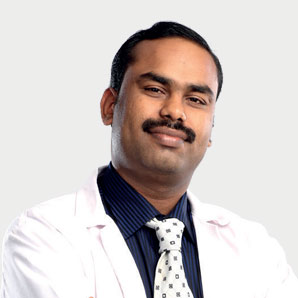
.jpeg)
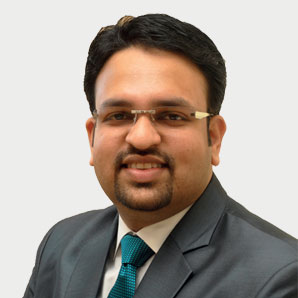
Dr. Bijiraj Vathwam Veettil
Senior Consultant ENT Head & Neck, Sleep Surgeon
MBBS, MS (ENT), Fellowship in Snoring and Sleep apnea Surgeries (Singapore), Fellowship in sinus and skull base surgery
.png)
Dr. Prasanth Parameswaran
Senior Consultant ENT, Head & Neck Surgeon
MBBS, DLO, DNB (ENT), MNAMS, AASC (Specialist - Allergy and Immunotherapy), Fellowship in Snoring and Sleep apnea Surgeries (Singapore).
Dr. Arshad M Razi
Consultant ENT, Head & Neck Surgeon
MBBS, MS (ENT), Fellow in Head & Neck Surgical Oncology

Dr. Deepthi. N.V
Senior Consultant ENT, Head & Neck Surgeon
MBBS, DNB (ENT)
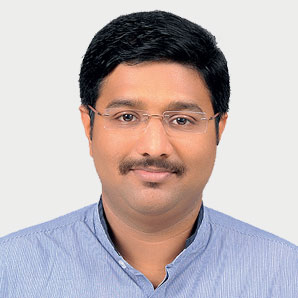
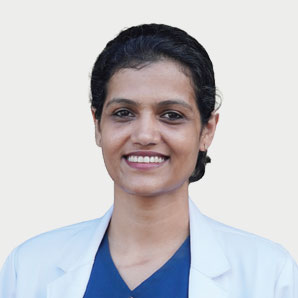
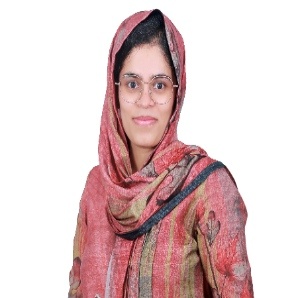
Dr. K Shilpa Nair
ENT Surgeon | Cochlear Implant & Sleep Surgery Specialist
MBBS, MS, DNB, MRCS(Eng), Post doctoral Fellowship in Implantation Otology

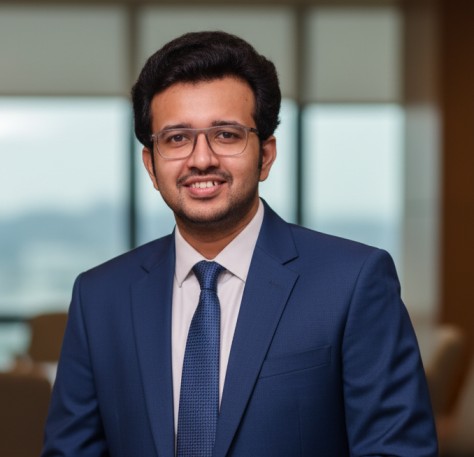
Dr. Nibi Shajahan
Consultant ENT, Head & Neck Surgeon
MBBS, MS (ENT), Fellowship in Snoring and Sleep apnea Surgeries (Singapore). Trained in Allergy and Immunotherapy




Dr.Anand Krishnan
Consultant ENT, Head and Neck Surgeon
MBBS ,DLO ,DNB ENT ,MRCS (ENGLAND)
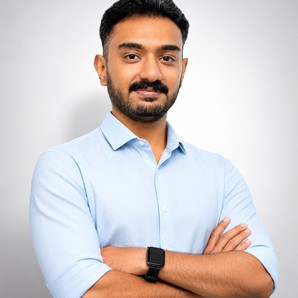
Dr. Seshadri Ganesh. A.L
Senior Consultant Anaesthesiologist
MBBS, DCH, MD, DIP.N.B
Mr. Prasanth. N.P
Senior Audiologist & Speech Language Pathologist
BASLP, MASLP, MSc (Psy)

Ms. Chinju Johny
Audiologist & Speech Language Pathologist
BASLP, MSc (Audiology)



Our Patient Stories
View All Testimonials