Blogs
Ear Pain in Winter - Protect Your Ears in Seasonal Weather Changes
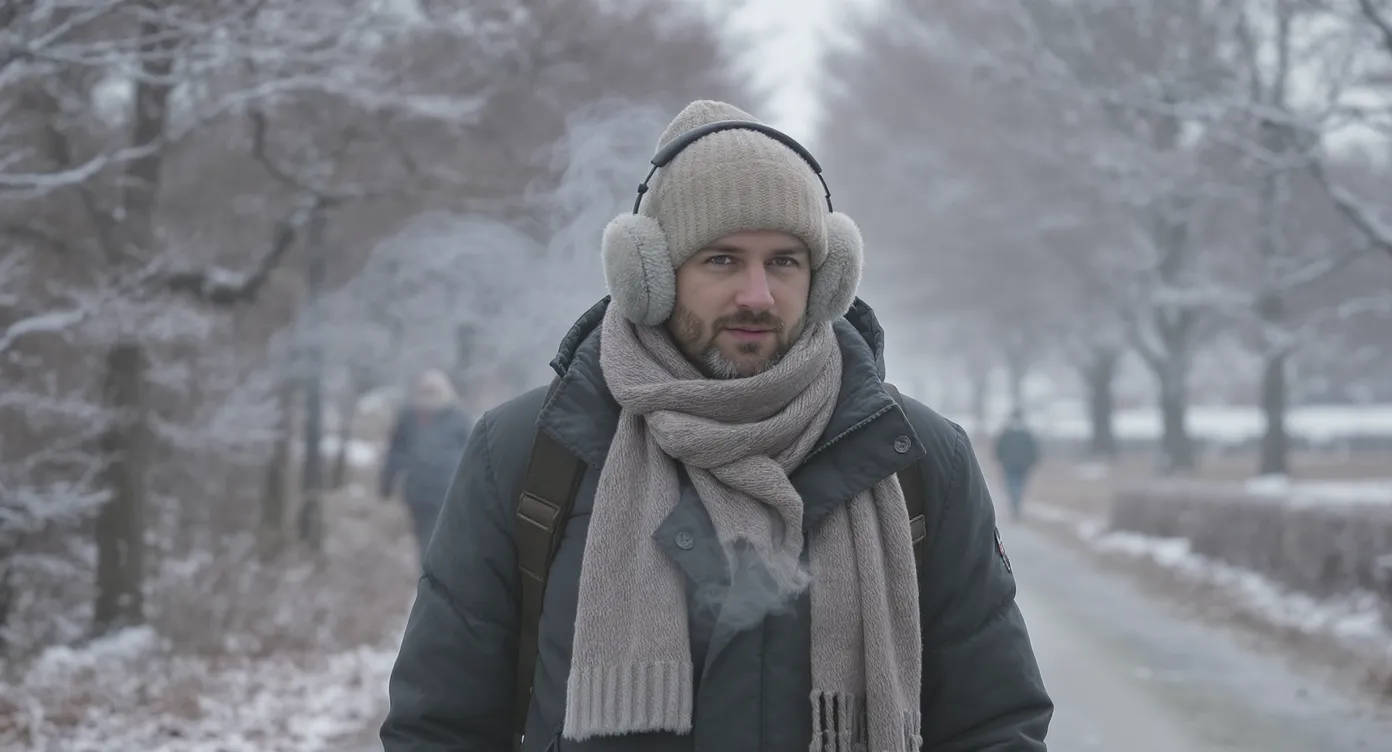
A sudden drop in temperature can be wonderful for bonfires and hot chocolate, yet it is also the time many people search online for one worrying phrase: ear pain in winter. Cold air, gusty wind and fluctuating indoor heating create the perfect storm for irritated ear canals and middle ear congestion. In this blog, the experts from Ascent ENT Hospital Kerala explain why ears hurt more between November and February, what you can do at home and when it is smart to see an ENT specialist.
Why Does Ear Pain in Winter Happen?
-
Cold air causes the blood vessels in the ear canal to constrict, reducing natural warmth and moisture.
-
Frequent colds and sinus infections increase middle ear pressure leading to throbbing pain.
-
People often use earphones under woollen caps, trapping moisture that encourages infection.
-
Indoor heaters dry the air, so earwax becomes brittle and may form painful impactions.
Temperature Swing and Eustachian Tube Function
The Eustachian tube balances pressure between the middle ear and the environment. Rapid movement from a cosy living room to chilly outdoor air can make the tube spasm, triggering ear pain in winter within minutes.
Immunity Dip and Viral Load
Studies showed a 28 percent rise in viral ear infections between December and January compared with monsoon months. Lower humidity and crowded holiday gatherings accelerate viral spread, so the ear becomes collateral damage.
Common Winter-Related Ear Issues
| Condition | Typical Symptom | Who Is at Higher Risk | Quick Prevention Tip |
|---|---|---|---|
| External otitis (swimmer’s ear) | Sharp ache when earlobe is tugged | People wearing in-ear headphones for long hours | Keep earphones dry, follow Preventing swimmer’s ears guide |
| Impacted earwax | Fullness or dull pain | Elderly, users of hearing aids | Use saline ear drops once a week |
| Viral otitis media | Deep, continuous pain with fever | Children under 12 | Annual flu shot, mask if family has a cold |
| Barotrauma from mountain travel | Sudden stabbing pain, temporary hearing loss | Trekkers, bikers | Chew gum, perform gentle Valsalva manoeuvre |
How to Prevent Ear Pain in Winter
1. Dress Your Ears
-
Wear insulated cotton or fleece earmuffs. Avoid synthetic fabrics that trap sweat.
-
If you use helmets for biking, choose models with built-in ear flaps.
2. Maintain Humidity Indoors
Placing a bowl of water near a heater restores moisture. Optimal indoor humidity (40 percent to 50 percent) keeps cerumen soft and protective.
3. Keep Nasal Passages Clear
Because the nose and ear share drainage pathways, using isotonic saline spray two times a day reduces congestion. Fewer blocked sinuses mean less ear pain in winter.
4. Limit In-Ear Headphones
Prolonged earphone use creates a warm, moist micro-environment ideal for germs. Switch to over-ear headphones or limit sessions to 60 minutes.
Home Remedies for Mild Discomfort
-
Warm compress: Hold a slightly heated towel against the ear for ten minutes to improve blood flow.
-
Steam inhalation with eucalyptus oil can open the Eustachian tube.
-
Ginger-honey tea provides natural anti-inflammatory benefits that relieve referred throat pain contributing to ear pain in winter.
If symptoms persist after 48 hours, you may need prescription drops or oral medication.
When to Consult an ENT Doctor
Visit an ENT Doctor immediately if you notice:
-
Severe ear pain that wakes you at night
-
High fever above 100.4 °F
-
Fluid or blood discharge
-
Sudden hearing loss or ringing in the ear
-
Dizziness or balance issues
Ascent Hospital Calicut, Ascent Hospital Palakkad and Ascent Hospital Perinthalmanna provide 24 hour emergency ENT services, so help is always nearby.
Diagnostic and Treatment Options at Ascent Hospital
As Kerala’s first ISO and NABH-accredited ENT superspeciality centre, Ascent offers:
-
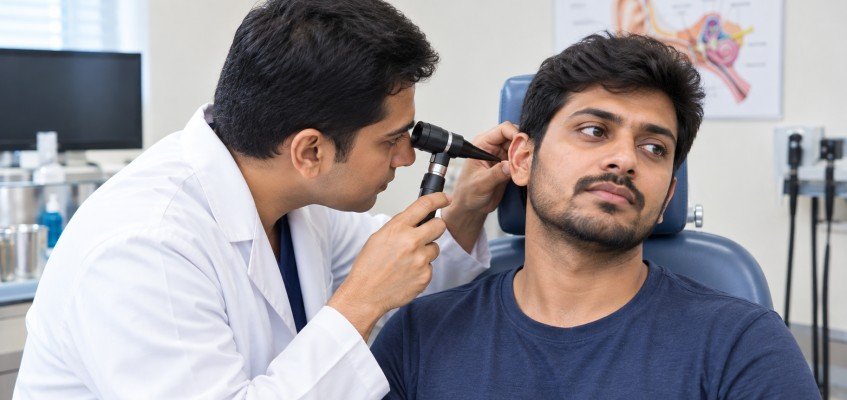
Video otoscopy for real time canal imaging
-
Pure tone audiometry to rule out hidden hearing damage
-
High resolution CT for chronic or complex cases
-
Day care myringotomy that lets patients return home the same evening
-
A dedicated cochlear implantation hospital in Kerala for advanced sensorineural loss
Early treatment prevents complications such as mastoiditis, which could require surgery by the best ear surgeon in Kerala.
Lifestyle Tips for Long-Term Ear Health
-
Keep seasonal vaccinations up to date to reduce viral triggers
-
Practice the yawn and swallow technique during altitude changes
-
Stay hydrated. Thick mucus obstructs the Eustachian tube more easily
-
Avoid smoking and second hand smoke, which inflame ear passages
-
Schedule an annual ear check with the best doctor for ear infection if you have diabetes or immune issues
Key Takeaways
-
Sudden temperature changes, indoor heating and seasonal viruses make ear pain in winter common.
-
Protective clothing, good hygiene, and balanced indoor humidity prevent most issues.
-
Seek medical care if pain is severe, lasts over two days or is accompanied by fever or discharge.
-
Ascent ENT Hospital Kerala delivers advanced diagnostics and same-day surgical options for quick relief.
Ready for Comfortable Winters?
Do not let ear pain in winter spoil your holiday plans. Book an appointment with the team at Ascent, the best ENT Clinic in Kerala. Swift evaluation by experienced ENT surgeons means faster recovery and healthier ears all season long.
Frequently Asked Questions
Does covering my ears really prevent ear pain in winter?
Yes. Insulation retains natural warmth and prevents cold air from directly irritating the canal lining.
Can I swim in cold weather without hurting my ears?
You can, provided you dry the ear thoroughly and use earplugs designed for swimmers. Follow tips from the Ascent blog on preventing swimmer’s ear.
Is ear pain in winter the same as an ear infection?
Not always. Cold-induced vasoconstriction causes pain without infection, but recurring pain could indicate otitis media.
Will sipping warm fluids cure ear pain?
Warm drinks soothe the throat and improve Eustachian tube function. They help but are not a standalone cure.
Share
Our Professionals
 (1) (2).png)
Dr. Sharafudheen. P.K
Chief Consultant ENT & Cochlear Implant Surgeon
MBBS, MS (ENT), DORL DOHNS - RCS Ed (UK)
 (2).jpg)
Dr. Anuradha Varma. M.R
Senior Consultant ENT, Head & Neck Surgeon
MBBS, DLO
.jpeg)
Dr. Bijiraj Vathwam Veettil
Senior Consultant ENT Head & Neck, Sleep Surgeon
MBBS, MS (ENT), Fellowship in Snoring and Sleep apnea Surgeries (Singapore), Fellowship in sinus and skull base surgery
.png)
Dr. Prasanth Parameswaran
Senior Consultant ENT, Head & Neck Surgeon
MBBS, DLO, DNB (ENT), MNAMS, AASC (Specialist - Allergy and Immunotherapy), Fellowship in Snoring and Sleep apnea Surgeries (Singapore).

Dr. Arshad M Razi
Consultant ENT, Head & Neck Surgeon
MBBS, MS (ENT), Fellow in Head & Neck Surgical Oncology

Dr. Deepthi. N.V
Senior Consultant ENT, Head & Neck Surgeon
MBBS, DNB (ENT)


Dr. K Shilpa Nair
ENT Surgeon | Cochlear Implant & Sleep Surgery Specialist
MBBS, MS, DNB, MRCS(Eng), Post doctoral Fellowship in Implantation Otology


Dr. Nibi Shajahan
Consultant ENT, Head & Neck Surgeon
MBBS, MS (ENT), Fellowship in Snoring and Sleep apnea Surgeries (Singapore). Trained in Allergy and Immunotherapy




Dr.Anand Krishnan
Consultant ENT, Head and Neck Surgeon
MBBS ,DLO ,DNB ENT ,MRCS (ENGLAND)




Dr. Seshadri Ganesh. A.L
Senior Consultant Anaesthesiologist
MBBS, DCH, MD, DIP.N.B




Mr. Prasanth. N.P
Senior Audiologist & Speech Language Pathologist
BASLP, MASLP, MSc (Psy)

Ms. Chinju Johny
Audiologist & Speech Language Pathologist
BASLP, MSc (Audiology)



Our Patient Stories
View All Testimonials