Blogs
Can Otosclerosis Cause Headaches? Symptoms, Causes & Treatment Explained
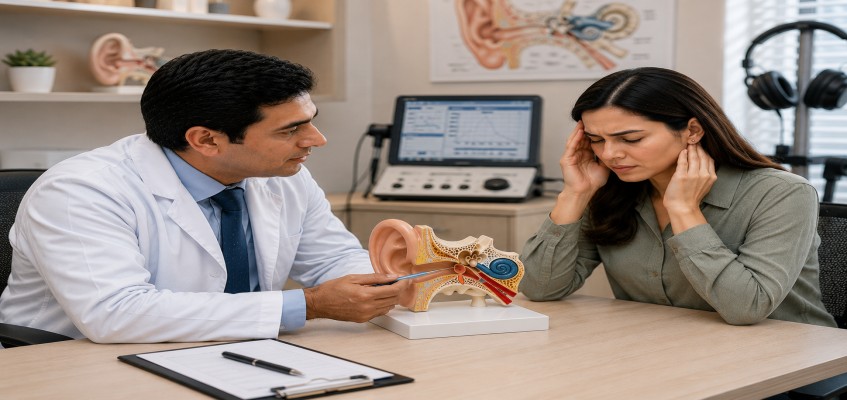
Otosclerosis is an ear condition where abnormal bone remodeling makes one of the tiny hearing bones less able to move, leading mainly to progressive hearing loss. When people ask can otosclerosis cause headaches, they are asking whether this middle ear problem can directly trigger headache.
Headaches are not the most typical sign of otosclerosis, but some people with hearing loss tinnitus or balance symptoms do report head pressure or pain. This article explains what otosclerosis is, why the question can otosclerosis cause headaches is common, which symptoms matter most and how ENT specialists evaluate and treat both the ear problem and possible headache triggers.
You will also learn when headaches may point to a different diagnosis and when it is time to see an ENT urgently.
Can Otosclerosis Cause Headaches? Symptoms Causes and Treatment
What is otosclerosis?
Otosclerosis usually affects the stapes bone in the middle ear. When the stapes becomes stiff it cannot transmit sound vibrations effectively, so hearing gradually reduces.
Many patients notice hearing loss in one ear first and later in both ears. Some also experience tinnitus. A smaller group can have dizziness or imbalance when the inner ear is involved.
Can otosclerosis cause headaches?
In most medical descriptions otosclerosis is mainly a hearing problem, not a primary headache disorder. So if you are wondering can otosclerosis cause headaches, the most accurate answer is often: not directly in a classic cause and effect way.
That said, can otosclerosis cause headaches can still be a meaningful question because several otosclerosis related issues can contribute to head pain or head pressure:
1) Tinnitus hearing strain and stress related headaches
Persistent tinnitus and struggling to hear in meetings or noisy environments can increase stress. Stress and poor sleep are common drivers for tension type headaches. In this pathway the ear condition is not creating pain in the head tissues, but it can set up the conditions that make headaches more likely.
2) Vertigo imbalance and migraine overlap
Some people with otosclerosis report dizziness or imbalance. Vestibular symptoms can overlap with migraine conditions or can trigger migraine in people who are prone to it. This is another reason people ask can otosclerosis cause headaches even when the primary complaint started as hearing loss.
3) Referred pain from jaw muscles or neck tension
When hearing is reduced many people unconsciously clench the jaw or tense the neck while trying to listen. Jaw joint problems and muscle tension can refer pain to the temples or back of the head. This can feel like the ear is the source even when it is a secondary effect.
4) A different condition mimicking otosclerosis symptoms
Sometimes headache plus ear symptoms points to a different diagnosis such as chronic ear infection sinus disease TMJ disorder or less commonly a neurological cause. If headaches are prominent your ENT will work to confirm whether otosclerosis is truly present and whether something else is contributing.
What symptoms matter most when headaches occur?
If you are exploring can otosclerosis cause headaches, pay attention to the full symptom pattern, not only the pain. Otosclerosis related symptoms most often include:
-
Progressive hearing loss often worse for low pitched sounds
-
Tinnitus or ringing in the ears
-
A feeling of imbalance in some cases
-
Difficulty hearing in quiet conversations
Headache features also matter. A brief pressure sensation after a stressful day is very different from severe new headache with neurological symptoms.
Headache and ear symptoms: a quick comparison table
The table below helps you understand when the overall picture fits otosclerosis and when further evaluation is essential.
| Symptom pattern | Could fit otosclerosis related issues | Consider other causes or urgent evaluation |
|---|---|---|
| Gradual hearing loss with tinnitus and occasional mild head pressure | Yes, stress, sleep issues, and listening strain can contribute | If headache is severe or rapidly worsening, get assessed |
| Hearing loss plus frequent vertigo and migraine-like headache | Possible, vestibular involvement or migraine overlap | Rule out vestibular migraine, Meniere-like disorders, and other causes |
| Sudden hearing loss with severe headache | Uncommon for otosclerosis | Needs urgent ENT assessment |
| Headache with fever, ear discharge, or severe ear pain | Not typical | Possible infection or complications |
| Headache with facial weakness, double vision, confusion, or fainting | Not otosclerosis | Emergency evaluation needed |
Why otosclerosis happens: causes and risk factors
Otosclerosis is believed to be influenced by genetic and hormonal factors. It can run in families and is more commonly identified in adults. Pregnancy related hormonal changes are sometimes associated with noticing progression, though the relationship varies from person to person.
Even with known risk factors the key point is this: the main effect remains hearing loss. That is why the question can otosclerosis cause headaches usually leads to looking for contributing factors such as stress, vertigo jaw tension or a second ENT condition.
How ENTs evaluate headaches in suspected otosclerosis
A proper ENT evaluation aims to confirm the ear diagnosis and understand the headache type. Your doctor may:
Take a focused history
You may be asked when hearing loss started whether tinnitus is present and how the headache feels. Migraine features such as light sensitivity nausea and one sided throbbing are important clues.
Perform an ear examination and hearing tests
Audiometry is central for diagnosing otosclerosis. Tympanometry and reflex testing may also be used to assess middle ear function.
Use imaging when needed
CT imaging can help in selected cases, especially when symptoms are atypical or when planning surgery. Ascent ENT Hospital Kerala offers advanced diagnostic imaging as part of comprehensive ENT care.
If you want an expert opinion from a dedicated centre you can explore Ascent Hospital which is widely known as the best ENT Hospital in Kerala for specialised ear nose and throat care.
Treatment options: addressing hearing loss and reducing headache triggers
Treatment is personalised based on hearing level lifestyle needs and exam findings. If your main question is can otosclerosis cause headaches, treatment often helps indirectly by reducing the strain that contributes to headaches.
Hearing aids
For many patients modern digital hearing aids improve hearing clarity and reduce listening fatigue. Less fatigue often means fewer tension headaches for people whose head pain is driven by strain stress or poor sleep.
Stapedotomy or stapedectomy surgery
When appropriate, surgery can improve sound conduction by bypassing the fixed stapes. If you are considering surgical care you can read about the Best Stapedotomy Surgeon in India and discuss suitability during a consultation.
Cochlear otosclerosis and advanced hearing rehabilitation
In more advanced inner ear involvement, options may extend beyond middle ear surgery. For a focused overview see Cochlear Otosclerosis. Managing hearing effectively can also reduce stress related symptoms in those still asking can otosclerosis cause headaches after years of coping.
Managing the headache itself
Your ENT may coordinate care with a neurologist if migraine is suspected. Jaw tension and neck posture may benefit from dental evaluation physiotherapy and stress reduction strategies.
For patients looking for a trusted ENT clinic in Kerala with experienced teams, Ascent also highlights access to the Best ENT surgeon in Kerala for comprehensive evaluation.
When should you see an ENT urgently?
Do not ignore red flags. Seek urgent care if you have sudden hearing loss, severe headache with fever, neurological symptoms, persistent vomiting, severe vertigo or ear discharge.
If you have progressive hearing loss with intermittent head pressure it is still wise to book an assessment. Getting the diagnosis right is the fastest way to answer can otosclerosis cause headaches in your specific case.
Conclusion
So can otosclerosis cause headaches? Otosclerosis is primarily a hearing condition, but it can contribute to headaches indirectly through tinnitus stress, listening fatigue, dizziness or muscle tension. The most important step is a thorough ENT assessment to confirm otosclerosis and rule out other causes of head pain.
If you are experiencing hearing loss, tinnitus vertigo or recurring headaches, consult a specialist at Ascent ENT Hospital Kerala for expert evaluation and treatment options.
Book a consultation
For personalised advice and to plan the right next steps, schedule an appointment with Ascent today: Contact us.
Frequently Asked Questions
Can otosclerosis cause headaches all by itself?
Otosclerosis usually causes hearing loss and tinnitus. Headaches are more often related to stress listening strain migraine overlap jaw tension or another condition that needs evaluation.
Can otosclerosis cause headaches with dizziness?
It can be associated with imbalance in some patients and dizziness can coexist with migraine. If dizziness and headaches are frequent an ENT evaluation is important to rule out other vestibular conditions.
What symptoms suggest my headache is not from otosclerosis?
Sudden severe headache fever neurological symptoms, sudden hearing loss or ear discharge are not typical for otosclerosis and need urgent medical review.
How is otosclerosis diagnosed if I have headaches too?
ENTs use history ear examination hearing tests and sometimes CT imaging. The goal is to confirm otosclerosis and identify other headache drivers.
Will treating hearing loss help my headaches?
For some people, yes. When the main trigger is listening fatigue, stress or poor sleep, improving hearing can reduce headache frequency.
Share



Our Professionals
 (1) (2).png)
Dr. Sharafudheen. P.K
Chief Consultant ENT & Cochlear Implant Surgeon
MBBS, MS (ENT), DORL DOHNS - RCS Ed (UK)
 (2).jpg)
Dr. Anuradha Varma. M.R
Senior Consultant ENT, Head & Neck Surgeon
MBBS, DLO
.jpeg)
Dr. Bijiraj Vathwam Veettil
Senior Consultant ENT Head & Neck, Sleep Surgeon
MBBS, MS (ENT), Fellowship in Snoring and Sleep apnea Surgeries (Singapore), Fellowship in sinus and skull base surgery
.png)
Dr. Prasanth Parameswaran
Senior Consultant ENT, Head & Neck Surgeon
MBBS, DLO, DNB (ENT), MNAMS, AASC (Specialist - Allergy and Immunotherapy), Fellowship in Snoring and Sleep apnea Surgeries (Singapore).

Dr. Arshad M Razi
Consultant ENT, Head & Neck Surgeon
MBBS, MS (ENT), Fellow in Head & Neck Surgical Oncology

Dr. Deepthi. N.V
Senior Consultant ENT, Head & Neck Surgeon
MBBS, DNB (ENT)


Dr. K Shilpa Nair
ENT Surgeon | Cochlear Implant & Sleep Surgery Specialist
MBBS, MS, DNB, MRCS(Eng), Post doctoral Fellowship in Implantation Otology


Dr. Nibi Shajahan
Consultant ENT, Head & Neck Surgeon
MBBS, MS (ENT), Fellowship in Snoring and Sleep apnea Surgeries (Singapore). Trained in Allergy and Immunotherapy




Dr.Anand Krishnan
Consultant ENT, Head and Neck Surgeon
MBBS ,DLO ,DNB ENT ,MRCS (ENGLAND)




Dr. Seshadri Ganesh. A.L
Senior Consultant Anaesthesiologist
MBBS, DCH, MD, DIP.N.B




Mr. Prasanth. N.P
Senior Audiologist & Speech Language Pathologist
BASLP, MASLP, MSc (Psy)

Ms. Chinju Johny
Audiologist & Speech Language Pathologist
BASLP, MSc (Audiology)



Our Patient Stories
View All Testimonials