Blogs
Understanding Augmentation Rhinoplasty: Procedure, Benefits & Recovery
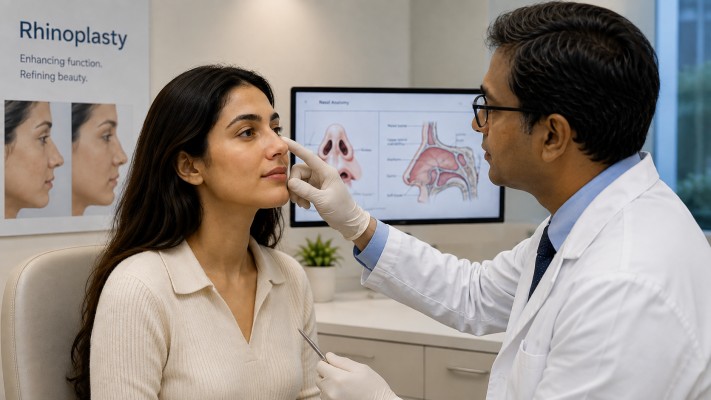
Augmentation rhinoplasty is a nose reshaping procedure that adds structure or volume to improve the shape of the nose. It is commonly used when the nasal bridge looks low, the tip needs better support or the nose needs correction after injury or previous surgery.
Unlike reduction rhinoplasty, augmentation rhinoplasty focuses on building up selected areas of the nose rather than making the nose smaller. This article explains the procedure from a patient’s point of view, including planning, benefits, recovery and when to consult a specialist.
If you are considering nasal reshaping for cosmetic or functional reasons, understanding the process can help you make a confident decision. The right approach depends on your facial structure, nasal airway, medical history and expectations. Consulting an experienced ENT and facial plastic surgery team, such as the one at Ascent ENT Hospital in Kerala, can help you understand which technique suits your case best.
Who May Benefit from Augmentation Rhinoplasty?
A person may consider augmentation rhinoplasty when the nose needs added height, projection or support. It is often chosen by people with a flat nasal bridge, depressed nose shape, weak nasal tip or structural changes caused by trauma.
Some patients seek this surgery for facial balance. Others may need it after previous nasal surgery where support was lost. In certain cases, improving the external structure of the nose may also support better airflow, especially when combined with functional nasal correction.
Common reasons include:
-
A low or underdeveloped nasal bridge
-
A saddle nose deformity after injury or infection
-
A drooping or poorly supported nasal tip
-
Revision after an earlier nose surgery
-
Facial imbalance due to nasal shape
-
Nasal deformity linked with breathing difficulty
A consultation with an ENT specialist in Kerala is important because the nose is not only a cosmetic feature. It is also part of the breathing system. This is why choosing an experienced centre matters.
How Augmentation Rhinoplasty is Planned
Safe augmentation rhinoplasty begins with a detailed evaluation. The surgeon examines the outside shape of the nose and the internal nasal airway. This may include checking the septum, turbinates, nasal valves and any signs of blockage.
At Ascent Hospital, patients can access specialised ENT care through advanced assessment, experienced doctors and modern surgical facilities. Ascent Hospital is recognised by many patients as the best ENT Hospital in Kerala for comprehensive ear, nose, throat, head and neck care.
A good plan considers both appearance and function. For example, raising the bridge without checking internal breathing problems may not solve the patient’s real concern. A specialist at an ENT clinic in Kerala can help decide whether cosmetic reshaping alone is enough or whether functional correction is also needed.
| Planning factor | Why it matters |
|---|---|
| Nasal bridge height | Helps decide how much support or volume is needed |
| Tip support | Influences projection, definition and long-term stability |
| Breathing assessment | Identifies septal deviation, valve collapse or blockage |
| Skin thickness | Affects final definition and healing pattern |
| Facial proportions | Helps create a natural result that suits the face |
| Medical history | Reduces risks linked with previous surgery, trauma or allergy |
What Materials are Used?
In augmentation rhinoplasty, the surgeon may use the patient’s own cartilage or a medical implant depending on the case. Cartilage can be taken from areas such as the nasal septum, ear or rib. The choice depends on how much support is needed and what will give the safest long-term result.
Autologous cartilage, which means the patient’s own tissue, is often preferred for natural support. Implants may be considered in selected cases but they must be chosen carefully. Your surgeon will explain the advantages, limitations and suitability of each option.
For a broader overview of nose reshaping, you can read more about Rhinoplasty Surgery in Kerala and how it is planned according to facial and functional needs.
The Augmentation Rhinoplasty Procedure: Step by Step
The procedure is usually performed under anaesthesia in a controlled surgical setting. The exact technique depends on the patient’s anatomy and the correction required.
For augmentation rhinoplasty, the surgeon may use an open or closed approach. In an open approach, a small incision is made across the tissue between the nostrils to allow better visibility. In a closed approach, incisions are made inside the nose. The right method is selected after examining the structure of the nose.
The surgeon then shapes the cartilage or implant and places it in the planned area. This may involve building the bridge, refining the tip or correcting a depressed section. If breathing issues are present, septoplasty or other functional corrections may be performed during the same surgery.
Patients who are still exploring whether nose reshaping is right for them may find this guide helpful: What is a Nose Job?. You can also read Rhinoplasty Secrets Unveiled for more insights into achieving natural-looking nasal changes.
Benefits of Augmentation Rhinoplasty
The benefits of augmentation rhinoplasty can be both cosmetic and functional depending on the patient’s condition. For many people, the biggest benefit is a nose that looks more balanced with the rest of the face.
Because augmentation rhinoplasty adds structure, it can improve bridge height, tip support and nasal symmetry. When functional problems are corrected at the same time, some patients may also experience improved nasal airflow.
Key benefits may include:
-
Better facial harmony
-
Improved nasal bridge shape
-
Stronger nasal tip support
-
Correction of post-traumatic deformity
-
Revision of previous nasal surgery concerns
-
Possible improvement in breathing when combined with functional correction
Results should look natural rather than artificial. The aim is not to create the same nose for every patient. It is to create a nose that suits the patient’s face and supports healthy nasal function.
Recovery After Augmentation Rhinoplasty
Recovery from augmentation rhinoplasty takes time and results continue to refine gradually. Most patients can expect swelling, mild discomfort, nasal stuffiness and some bruising in the early days after surgery.
A splint or dressing may be used to support the nose. Your surgeon will provide instructions about cleaning, medication, sleep position and follow-up visits. It is important not to press, massage or injure the nose during early healing.
Most visible swelling improves within a few weeks but subtle swelling can last for months, especially around the nasal tip. Final results may take several months to become clear. Healing varies from person to person depending on skin type, surgical complexity and aftercare.
Recovery Timeline at a Glance
| Time after surgery | What to expect |
|---|---|
| First 24 to 48 hours | Rest, mild swelling, nasal blockage and prescribed medicines |
| First week | Splint care, bruising may reduce and follow-up review may be scheduled |
| 2 to 3 weeks | Many patients return to routine activities as advised by the surgeon |
| 4 to 6 weeks | Avoid contact sports and heavy pressure on the nose |
| 3 to 6 months | Nose shape becomes more refined as swelling reduces |
| Up to 1 year | Final definition may continue to improve gradually |
Always follow your surgeon’s recovery instructions. If you notice fever, heavy bleeding, severe pain or sudden breathing difficulty, seek medical help promptly.
Are There Risks?
Like any nasal surgery, augmentation rhinoplasty has possible risks. These may include bleeding, infection, swelling, scarring, asymmetry, implant-related issues, graft changes or dissatisfaction with the result. Functional concerns such as nasal blockage may also occur if healing is not ideal.
The best way to reduce risk is to choose a qualified specialist who understands both nasal appearance and airway function. This is why many patients prefer consulting a best ENT surgeon in Kerala at a dedicated ENT centre.
As Ascent ENT Hospital offers comprehensive ENT specialities, advanced diagnostic support and emergency ENT care, patients can receive evaluation and treatment in a focused environment. If you are searching for a trusted best ENT Clinic, specialist assessment is the first step.
How to Prepare for Your Consultation
Before your appointment, think clearly about what bothers you and what you hope to improve. Bring details of previous surgeries, nasal injuries, allergies, breathing issues and current medicines.
It helps to discuss both cosmetic expectations and functional symptoms. For example, if you dislike a low bridge but also have blocked breathing, both concerns should be addressed together. A realistic conversation with your surgeon can prevent misunderstandings and improve satisfaction.
Final Thoughts
This procedure can improve a low bridge, weak tip support, post-traumatic deformity or selected revision concerns. The best outcomes come from careful planning that respects both facial balance and nasal function.
If you are considering nose reshaping, choose a hospital with ENT expertise, advanced facilities and experienced surgeons. Ascent Hospital, best ENT Hospital in Kerala, provides specialised care for patients seeking safe and personalised nasal treatment.
To discuss your concerns and understand the right treatment plan, schedule a consultation with Ascent Hospital today.
Frequently Asked Questions
1. Is augmentation rhinoplasty painful?
Most patients experience mild to moderate discomfort rather than severe pain. Medication prescribed by the surgeon usually helps manage discomfort during the early recovery period.
2. How long do augmentation rhinoplasty results last?
Results are usually long lasting when the procedure is planned well and healing is normal. The nose can still change gradually with ageing, injury or other medical factors.
3. Can it improve breathing?
It may improve breathing if structural airway problems are corrected during the same surgery. Cosmetic bridge augmentation alone may not fix internal nasal obstruction.
4. When can I return to work after the surgery?
Many patients return to desk-based work within 1 to 2 weeks, depending on swelling, comfort and the surgeon’s advice.
5. Is a natural-looking result possible after this rhinoplasty?
Yes. A natural result depends on careful planning, appropriate material selection and matching the nasal shape to the patient’s facial proportions.
Share


Our Professionals
 (1) (2).png)
Dr. Sharafudheen. P.K
Chief Consultant ENT & Cochlear Implant Surgeon
MBBS, MS (ENT), DORL DOHNS - RCS Ed (UK)
 (2).jpg)
Dr. Anuradha Varma. M.R
Senior Consultant ENT, Head & Neck Surgeon
MBBS, DLO
.jpeg)
Dr. Bijiraj Vathwam Veettil
Senior Consultant ENT Head & Neck, Sleep Surgeon
MBBS, MS (ENT), Fellowship in Snoring and Sleep apnea Surgeries (Singapore), Fellowship in sinus and skull base surgery
.png)
Dr. Prasanth Parameswaran
Senior Consultant ENT, Head & Neck Surgeon
MBBS, DLO, DNB (ENT), MNAMS, AASC (Specialist - Allergy and Immunotherapy), Fellowship in Snoring and Sleep apnea Surgeries (Singapore).
Dr. Arshad M Razi
Consultant ENT, Head & Neck Surgeon
MBBS, MS (ENT), Fellow in Head & Neck Surgical Oncology
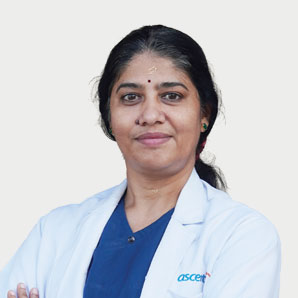
Dr. Deepthi. N.V
Senior Consultant ENT, Head & Neck Surgeon
MBBS, DNB (ENT)
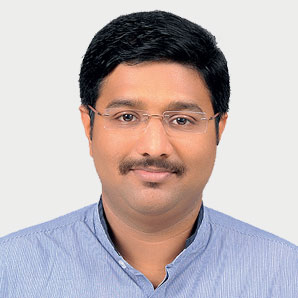
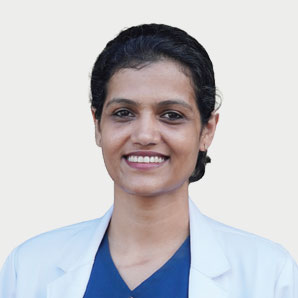
Dr. K Shilpa Nair
ENT Surgeon | Cochlear Implant & Sleep Surgery Specialist
MBBS, MS, DNB, MRCS(Eng), Post doctoral Fellowship in Implantation Otology


Dr. Nibi Shajahan
Consultant ENT, Head & Neck Surgeon
MBBS, MS (ENT), Fellowship in Snoring and Sleep apnea Surgeries (Singapore). Trained in Allergy and Immunotherapy


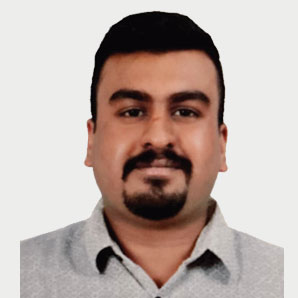

Dr.Anand Krishnan
Consultant ENT, Head and Neck Surgeon
MBBS ,DLO ,DNB ENT ,MRCS (ENGLAND)

Dr. Seshadri Ganesh. A.L
Senior Consultant Anaesthesiologist
MBBS, DCH, MD, DIP.N.B

Mr. Prasanth. N.P
Senior Audiologist & Speech Language Pathologist
BASLP, MASLP, MSc (Psy)

Ms. Chinju Johny
Audiologist & Speech Language Pathologist
BASLP, MSc (Audiology)



Our Patient Stories
View All Testimonials